Choosing the right types of toilet seat can transform your bathroom from a basic space into a comfortable, stylish retreat. Whether you are replacing a wobbly old seat or planning a full remodel, understanding the many options available is essential. The search intent here is clear: you want to know what seat shapes, materials, and features exist so you can make an informed decision without feeling overwhelmed.
Many homeowners are surprised to learn that toilet seats are not one-size-fits-all. The wrong choice can lead to an unstable mount, constant pinching, or a clashing aesthetic. This guide breaks down every major type of toilet seat, from basic round models to high-tech bidet wonders, and explains exactly what makes each one different. We will cover shapes, materials, special features, and installation styles so you can shop with complete confidence.
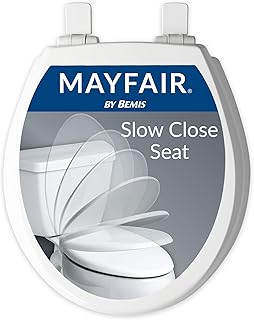
Mayfair Cassel Slow Close Round Wood Toilet Seat
Check PriceFirst Things First: Bowl Shape and Compatibility
Before you even consider materials or fancy soft-close hinges, you must determine the shape of your toilet bowl. There are two standard bowl shapes: round and elongated. This measurement matters because an elongated seat will not fit securely on a round bowl, and vice versa. Using the wrong shape leads to overhang, instability, and an increased risk of the seat shifting.
To identify your bowl shape, grab a tape measure. Measure from the center of the mounting holes between the seat bolts straight to the very front edge of the bowl. A round bowl typically measures about 16.5 inches in length. An elongated bowl will measure around 18.5 inches. Once you have that number, you have eliminated a major source of confusion and returns.
- Round front seats are the classic choice found in many older homes and compact bathrooms. They save space, but the shorter length can feel less supportive for adult users.
- Elongated seats offer an oval shape that provides more thigh support and is generally considered more comfortable. If you are choosing an elongated seat that matches your requirements, double-check that the bolt spread, usually 5.5 inches, aligns with your bowl.
There is also a third, less common shape called the D-shape which blends a flat front with curved sides. It appears mostly on modern wall-hung toilets. Knowing your bowl shape is the non-negotiable first step, and skipping it is the most common mistake first-time buyers make.
Material Matters: How Different Types of Toilet Seat Feel and Last
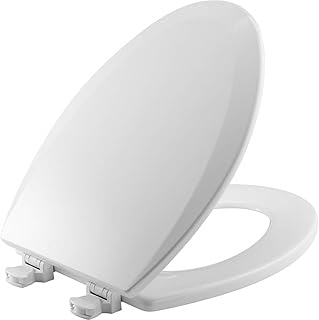
Bemis 1500EC 390 Lift-Off Wood Elongated Toilet Seat
Check PriceOnce you have the shape locked in, the next big decision revolves around the material. The material affects comfort, durability, hygiene, and price. There are three primary material categories, and each has its own personality. Spending a few minutes here will help you avoid a seat that feels ice-cold in winter or one that cracks within a year.
Moulded Thermoplastic and Thermoset Seats
Plastic seats dominate the market because they are affordable, lightweight, and incredibly easy to clean. Within this group you will find two sub-types: thermoplastic and thermoset. Thermoplastic seats are injection-moulded from polypropylene, making them very resistant to impacts and scratches. They feel slightly warmer to the touch than traditional wood because they conduct less heat away from the skin.
Thermoset seats, often made from urea-formaldehyde, are baked during manufacturing, which creates a hard, glossy finish. This finish resists the yellowing and fading that sometimes affects softer plastics. Both plastic varieties are non-porous, so they do not absorb moisture or bacteria, making them a hygienic workhorse for family bathrooms.
Solid Wood and Moulded Wood Core Seats
Wooden seats bring a sense of warmth and luxury that plastic simply cannot replicate. They are heavier, more rigid, and in many high-end bathrooms, they are the only choice that visually matches bespoke cabinetry. The two main types are solid wood and moulded wood core seats. Solid wood seats, often crafted from oak or mahogany, are sanded and lacquered to a brilliant shine, but they demand careful cleaning to prevent the finish from wearing away.
Moulded wood core seats start with a compressed wooden base that is then coated with a thick, durable enamel or polyurethane. This construction gives you the weight and sturdy feel of wood with an impervious surface that resists chipping and staining. Both options are available in a wide range of painted and stained finishes, and according to a comprehensive guide on toilet seat materials, many premium wood seats are treated to resist UV damage and moisture intrusion.
Specialty and Composite Materials
Beyond the common plastics and woods, a few manufacturers use materials like bamboo, resin composites, and even molded polymers with built-in antimicrobial additives. Bamboo seats are eco-friendly and naturally antimicrobial, but they require more maintenance to prevent cracking in humid environments. Resin seats can mimic the look of stone or slate while staying light enough to mount safely. If bacteria resistance is a top priority, look for seats with a sealed, non-porous surface and EPA-registered antimicrobial protection embedded in the material.
Feature-Based Types of Toilet Seat That Improve Daily Life
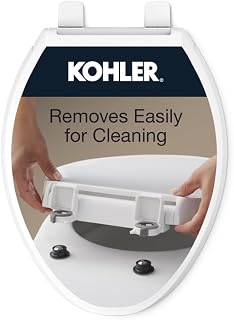
KOHLER 4636-RL-0 Cachet ReadyLatch Elongated Toilet Seat
Check PriceShapes and materials set the foundation, but the real upgrade comes from the seat’s functional features. These types of toilet seat address the little annoyances you might not even realize you are tolerating. From seats that slam loudly in the middle of the night to those that collect grime around the hinges, the right feature makes bathroom maintenance infinitely easier.
Standard Hinged Seats
A standard hinged seat is the most basic and common type. It has two bolts that pass through the bowl and secure with wing nuts underneath. These seats stay firmly in place, but cleaning around the hinge posts can be tedious. If you choose a standard model, consider one with stainless steel hinges and chrome caps to reduce rust and simplify wiping.
Soft-Close (Slow-Close) Seats
Soft-close seats, often called slow-close seats, use a hydraulic damping mechanism in the hinge. A gentle tap sends the lid and seat gliding down silently. This feature eliminates the jarring slam that can wake up the whole house and prevents the ring from cracking over time. Almost all modern mid-range toilets now come with soft-close as a standard, and it is the number one upgrade for households with children.
- Prevents finger pinching for curious toddlers.
- Extends the life of the seat by stopping impact stress.
- Adds a premium, high-end feel even to a builder-grade toilet.
Quick-Release and Easy-Clean Seats
Quick-release seats solve the eternal problem of grime building up around the hinges. With the push of a button or a slide mechanism, the entire seat lifts off the mounting plate. You can then rinse it under the sink or wipe down the bare bowl with zero obstacles. This feature is a game-changer for deep cleaning and is often paired with soft-close dampers for a truly hassle-free experience.
Heated Toilet Seats
Imagine sitting down on a gently warmed surface on a cold winter morning. Heated toilet seats plug into a nearby GFCI outlet and offer adjustable temperature settings, similar to a heated car seat. While they represent a higher initial investment, they bring a spa-like element to a master bathroom and help houses that run chilly. Many heated seats now include washlet-style warm water wash, but even the basic warming function alone is a distinct type of comfort upgrade.
Raised and Comfort Height Seats
Raised toilet seats are a completely different type of toilet seat tailored for individuals with limited mobility, arthritis, or post-surgery recovery. They add anywhere from two to six inches of height, reducing the bending required to sit down and stand up. These seats can lock securely onto the existing bowl without tools and often include padded armrests. If you are caring for an aging family member, read our top picks for raised seats to see which models combine stability with ease of installation.
Bidet and Washlet Seats
The integration of bidet functionality into a toilet seat has introduced a whole new category. Bidet seats replace your existing seat and offer a stream of water for cleansing, controlled by a side panel or remote. Basic non-electric bidet attachments are purely mechanical, while high-tech electronic bidet seats add warm water, heated drying air, deodorizers, and even night lights. These seats require access to a water supply and a power outlet, so you must verify that your bathroom layout can support them before purchasing.
Installation Style: How Seats Attach to the Bowl
Aünsffer Round Toilet Seat Soft Close
Check PriceEven if you have the correct shape and the most luxurious material, the installation style determines how solid the seat feels day after day. Two main attachment methods exist, and understanding them will help you avoid a seat that slides around despite your best efforts to tighten it.
Top Fixing Seats
Top fixing seats are installed by inserting bolts down through the bowl from above and tightening them with a screwdriver or hex key. This method is common on pans where the underside is not easily accessible, such as fully skirted toilets. Top fixing designs often use expanding rubber plugs that grip the mounting hole when compressed. They are simple to tighten, but if the rubber degrades over time, the seat may start to rotate slightly.
Bottom Fixing Seats
The more traditional bottom fixing involves a long bolt that passes from above, through the bowl, and is secured with a wing nut underneath. Accessing the nut usually requires kneeling behind the toilet and sometimes fumbling with limited clearance. Bottom fixing offers a rock-solid connection and is less likely to loosen with heavy use. Many soft-close and quick-release seats use a combination system with a metal or plastic fixing plate that tightens from below, giving you the best of both worlds: invisible attachment and tool-free release.
Specialty and Niche Types of Toilet Seat
Mayfair Cassel Slow Close Round Wood Toilet Seat
Check PriceA handful of seat types serve very specific purposes. While they might not appear in every showroom, they solve problems that standard seats cannot. From potty training to portable sanitation, these designs fill important gaps.
Built-In Potty Seats for Kids
Some toilet seats come with an integrated, magnetically-attached toddler insert that folds down when needed and tucks away when not in use. This eliminates the need for a separate plastic potty seat that clings to the bowl and collects grime. The integrated approach is safer, more sanitary, and makes the transition from training pants much smoother for the whole family.
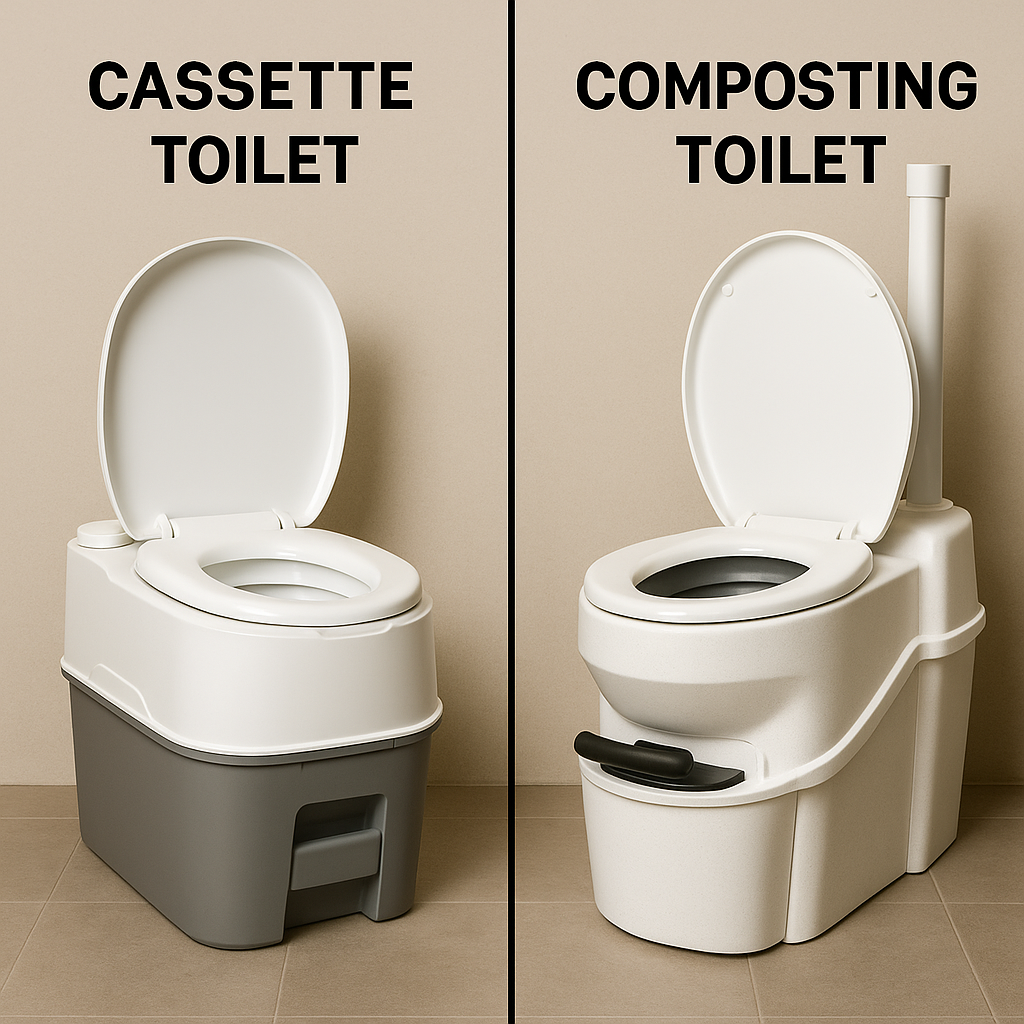
Travel and Portable Toilet Seats
For camping, RV trips, or even long road days with small children, foldable portable seats provide a clean, familiar surface over public restroom toilets or pit toilets. They are lightweight, usually made of durable molded plastic, and ensure that a child or an adult with mobility concerns can maintain hygiene and dignity while away from home.
Frequently Asked Questions About the Types of Toilet Seat
Bemis 7300SLEC Slow Close Elongated Toilet Seat
Check PriceHow do I know if my toilet bowl is round or elongated?
Use a tape measure to find the distance from the center of the mounting bolts to the front lip of the bowl. A measurement of approximately 16.5 inches indicates a round bowl, while about 18.5 inches tells you it is elongated. Always measure twice to be certain before ordering a new seat.
Which material is the easiest to keep clean?
Moulded polypropylene plastic seats with a glossy, non-porous surface are the easiest to wipe down and disinfect. They do not absorb liquids, resist staining, and rarely show water spots if you dry them quickly. Wood seats can be equally hygienic when properly sealed, but they require milder cleaning products to avoid damaging the lacquer.
Are soft-close seats worth the extra money?
Absolutely. The hydraulic damping mechanism prevents accidental slams that can chip the bowl and eliminates that loud noise. For homes with children or light sleepers, a soft-close seat is a small investment that brings daily peace and prolongs the life of your toilet.
Can I install a bidet seat myself?
If you have a GFCI electrical outlet within reach and a way to tap into the toilet’s water supply line, most electronic bidet seats are designed for DIY installation. The process typically involves removing the old seat, bolting on a mounting plate, connecting the included T-valve, and plugging in the unit. Always read the manufacturer’s instructions and turn off the water before starting.
Will a raised toilet seat fit my existing bowl?
Most raised toilet seats are designed to fit both round and elongated bowls, using adjustable brackets and locking clamps. Check the product specifications for the weight capacity and the width of your bowl rim to confirm compatibility. Some heavy-duty models with arms require a wider, reinforced bracket that fits standard and elongated pans alike.
Conclusion
Navigating the many types of toilet seat does not have to be confusing. Start with the shape of your bowl, then consider the material that matches your comfort and maintenance priorities. From there, add the features that will make a tangible difference in your daily life, whether that means a whisper-quiet soft-close hinge, a heated surface for winter mornings, or a raised seat that supports independent aging at home.
Remember that the best toilet seat seamlessly blends form and function. Measure your bowl correctly, choose a seat that aligns with your cleaning habits, and do not hesitate to upgrade to a quick-release or bidet model if convenience matters most. With the information from this guide, you can walk into any home improvement store or browse online and select the perfect seat on your first try.