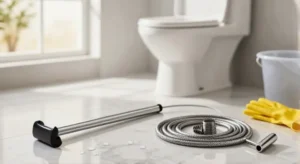
You hear the gurgle, see the water rise, and panic sets in. A clogged toilet is a stressful household emergency, and you need the right tool fast. Many people immediately wonder about the difference between a toilet auger vs snake. These two terms get tossed around interchangeably, but they are not the same. Choosing the wrong one can scratch your porcelain, fail to clear the blockage, or create a bigger mess.
Understanding the core differences will save you frustration and money. A toilet auger is a specialized, short tool designed specifically for toilet traps. A standard drain snake is a longer, more aggressive cable used for deep pipe blockages throughout the house. This guide will walk you through everything you need to know to make the right call.
We will break down their designs, proper usage, and safety concerns. You will learn exactly when to grab which tool. By the end, you will be able to handle the most common toilet nightmares with confidence and keep your bathroom safe from accidental damage.
What Is a Toilet Auger?
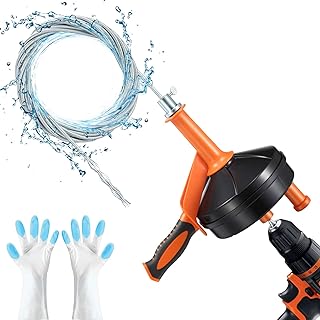
Drain Auger, Clog Remover with Drill Adapter, 25 Feet Flexible Plumbing Snake Use Manually or Powered for Kitchen, Bathroom and Shower Sink, Comes with Gloves (orange)
Check PriceA toilet auger, often called a closet auger, is a manual tool built with one mission: clearing toilet clogs. It features a short, stiff cable coiled inside a metal or heavy-duty plastic tube. The tube has a bend at the bottom to navigate the toilet’s internal trap way. A crank handle on top lets you rotate the cable to hook or break up the obstruction.
The defining feature is the protective sleeve. This rigid housing covers the cable as it enters the bowl, preventing the metal from grinding against the visible china. Without this sleeve, a spinning metal cable would leave ugly grey scratches and scuffs. Toilet bowls are delicate, and an auger respects that finish.
A standard toilet auger reaches between 3 and 6 feet. It is not designed to go deep into the main drain line. The tip usually ends in a corkscrew shape or a simple hook that snags debris like wipes, paper towels, or solid waste. It is the homeowner’s first line of defense before calling a plumber.
How a Toilet Auger Works
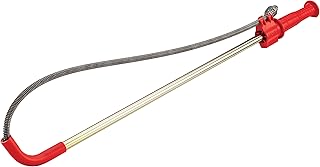
RIDGID 59787 Model K-3 Toilet Auger with Unclogging 3-Foot Snake and Bulb Head
Check PriceYou insert the curved lower end into the toilet bowl drain opening. The rubberized boot on the tube protects the porcelain from direct contact. As you push the cable forward, you turn the crank handle clockwise. This rotation helps the head navigate the tight S-shaped trap built into the toilet.
Once the tip reaches the clog, you keep turning while applying gentle forward pressure. The motion either breaks the blockage into smaller pieces or hooks onto the mass. Then you slowly pull the cable back, dragging the debris out into the bowl or pushing it through the trap. After removal, a quick flush with a bucket of water confirms the line is clear.
It requires almost no skill, just a bit of patience. You never need to remove the toilet from the floor. This makes it far less intimidating than pulling up the fixture. If you want to upgrade your toolkit, check out our curated list of the best toilet augers for reliable models that last for years.
What Is a Drain Snake?
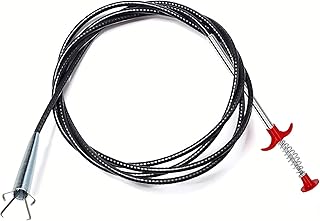
Drain Snake, Drain Clog Remover – Gutter Cleaning Tools Drain Cleaner for Toilet Sewer Shower Kitchen Bathroom Tub Clogged Drains Opener Cleaning Tool, Flexible Grabber Claw Pick Up Reacher (79 inch)
Check PriceA drain snake, also called a plumber’s snake or drain auger, is a general-purpose tool for clearing blockages in pipes. Unlike a toilet auger, it does not have a protective sleeve. The cable is exposed and much longer, typically ranging from 15 feet to 100 feet for heavy-duty models. It is designed to reach deep into sink drains, shower lines, and main sewer cleanouts.
Snakes can be manual hand-spun reels or motorized machines. Handheld drum snakes are common for small household tasks. Larger power snakes use an electric motor to spin a thick cable through main lines, chewing through tree roots and heavy sludge. The ends often have interchangeable heads like spade bits, spiral cutters, or retrieval hooks.
Because the cable is bare, it poses a serious risk to toilet bowls. A spinning metal coil will quickly scratch the porcelain and can even crack the bowl if forced. Many novices make the mistake of jamming a sink snake into a toilet, causing permanent cosmetic damage. That is why the toilet auger was invented as a safer alternative.
Types of Drain Snakes
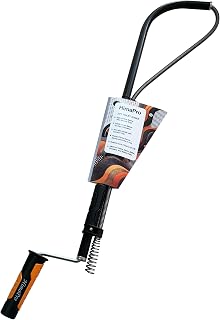
HimaPro Professional Toilet Auger/Closet Auger, 3 Feet Pipe Snake | Rust-Resistant High-Carbon Spring Wire, Scratch-Free Vinyl Sleeve, Ergonomic Non-Slip Handle
Check Price- Handheld Drum Snake: A small canister with a thumb screw. The user pulls out the cable and spins the drum by hand. Best for sink and tub traps, but too harsh for toilet porcelain.
- Pistol Grip Snake: Shaped like a drill. You squeeze the trigger to rotate the cable. It is fast but offers less control, making it risky near finished surfaces.
- Electric Power Snake: A heavy motorized reel used by professionals. It clears tree roots and deep blockages. Not suitable for toilets unless the toilet is removed first.
If you specifically need a tool that can go deep beyond the toilet but still protect the bowl, some manufacturers sell longer-reach closet augers. However, for most homes, a dedicated top-rated toilet snake will handle all bowl-related clogs safely.
Toilet Auger vs Snake: Key Differences
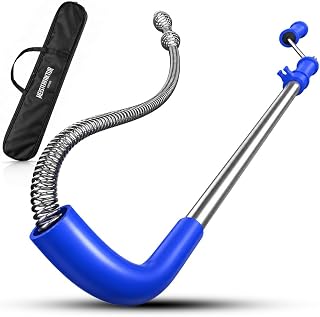
Meisterfaktur toilet snake [6 feet] – toilet auger for heavy toilet blockages – No damage thanks to silicone protection – the closet auger for real DIYs! (6 FEET)
Check PriceComparing a toilet auger vs snake directly reveals why you cannot simply use a general snake on a toilet. The primary distinction lies in the protection and length. An auger is short and shielded, a snake is long and bare. This single design difference determines the safety and success of the job.
Another critical factor is the rigidity of the cable. A toilet auger uses a stiff wire that can push through a tight trap without buckling. A flexible snake meant for drains may coil up inside the toilet trap, getting stuck. The wrong tool can turn a five-minute job into a disaster requiring a new toilet.
Below is a breakdown of what sets them apart. Understanding these characteristics will help you shop for the right equipment and avoid a trip to the hardware store for a second fix. Always evaluate where the blockage is located before choosing your weapon.
Design and Protection
The toilet auger features a rigid guide tube that keeps the cable off the china. The tube has a gentle curve that matches the toilet’s internal shape. The snake has no such housing. Its cable spins freely, and when it contacts the bowl, friction leaves dark metal marks that are nearly impossible to remove.
Many homeowners only learn this after the damage is done. Porcelain is a glass coating fired at high heat; once scratched, the surface is compromised. These scratches trap dirt and bacteria, making the bowl look permanently dirty. A toilet auger eliminates this risk entirely because the tube takes the friction instead of the bowl.
Length and Reach
A typical toilet auger extends 3 to 6 feet, just enough to pass through the toilet’s trap and into the short branch line. A drain snake often starts at 15 feet and goes up to 100 feet. It is designed to travel through pipes far beyond the toilet, like the main waste stack or underground sewer line.
For clogs inside the toilet itself, extra length is not only unnecessary but also problematic. Too much cable makes the tool harder to control. You risk the cable coiling backward and exiting the top of the bowl or snagging on the flange. The auger’s short length is a feature, not a limitation.
When to Use a Toilet Auger
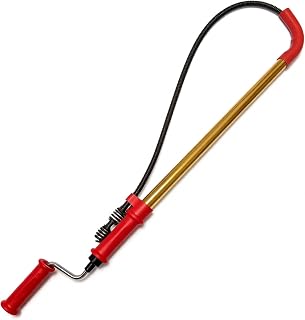
56658 K-6P 6FT Toilet Auger Snake for Use Manually or with Drill, Telescopic for Greater Reach, Heavy-Duty Toilet Auger Clog Remover Tool with Dual Bulb Head, Flexible Closet Auger with Vinyl Guard
Check PriceReach for a toilet auger when a plunger fails to clear the bowl. If you plunge and water rises sluggishly or not at all, the blockage is likely trapped in the toilet’s S-bend. Solid objects like toys, wipes, or clumped paper tend to get stuck there. An auger is designed to either push them through or retrieve them.
You should also use an auger if the toilet flushes weakly but does not overflow. That indicates a partial obstruction in the trap that a plunger only compresses. The auger’s corkscrew tip can tear through the mass. Frequent clogs that happen every few weeks also warrant using an auger to pull out hidden buildup.
Another clear signal is hearing gurgling sounds from other fixtures when you flush. If only the toilet is affected and the sink drains fine, the problem is localized. The auger will clear the immediate trap without disturbing the rest of your plumbing. It is the most precise tool for the job.
Step-by-Step: Using a Toilet Auger Safely
- Prepare the area: Place old towels or newspaper around the base to catch spills. Put on rubber gloves and have a bucket of water ready.
- Insert the auger: Retract the cable fully into the tube. Push the curved end into the drain hole until the rubber boot sits snugly against the bowl.
- Turn the crank: Rotate clockwise while pushing the cable down. You will feel the cable navigate the trap. Keep a steady, even motion.
- Engage the clog: When resistance increases, do not force it. Rotate the crank in both directions to break the material apart or hook it.
- Retrieve the debris: Slowly pull the cable back while turning gently. Wipe off the cable with paper towels as it exits. Dispose of the waste in a bag, not back into the toilet.
- Test the flow: Pour a bucket of water from waist height into the bowl. A strong, swift flush means the clog is gone.
For a visual walkthrough, the detailed guide from Family Handyman on unclogging toilets is an excellent resource. It reinforces the safe techniques needed to prevent porcelain scratches and messy mishaps.
When to Use a Drain Snake
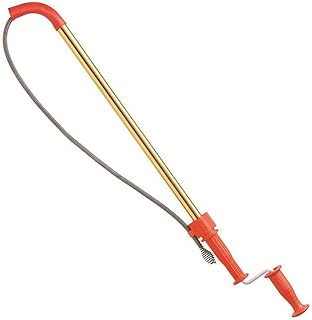
RIDGID 59802 K-6DH Hybrid Toilet Snake Auger with 6′ Heavy-Duty Drop Head Tri-Wrap Cable, Manual or Cordless Drill Operated Plumbing
Check PriceA drain snake becomes necessary when multiple fixtures are backing up at once. If flushing the toilet causes water to rise in the shower or sink drains, the blockage is farther down the main line. A short toilet auger cannot reach that far. You need the extended length of a snake to access the deeper pipe.
A snake is also the right call for stubborn clogs in sinks, laundry drains, or floor drains. Its flexibility allows it to twist through the bends in small diameter pipes. The bare cable is not an issue in these applications because the pipes are typically cast iron, PVC, or galvanized steel that can handle metal contact.
If you are absolutely certain a deeper clog exists and you want to try clearing it yourself, you can use a snake in a toilet only after removing the toilet from the floor. This gives you direct access to the waste pipe without risking the bowl finish. Otherwise, stick to an auger for any in-bowl work.
Risks of Using a Snake in a Toilet
A spinning metal cable rubbing against dry porcelain acts like sandpaper. In seconds, it can leave deep, black scratches. The bowl’s glazed surface is thin, and once broken, water and grime penetrate the scratch. This leads to permanent staining that no cleaner can fix.
Another risk is the snake binding inside the trap. A flexible snake can knot up or double back, making it impossible to pull out. You might end up having to remove the toilet anyway to untangle the mess. The rigid tube of an auger prevents this by limiting the cable’s movement.
Cost and Availability
Both tools are widely available at home centers and online, but their price points differ. A basic manual toilet auger costs between $10 and $40. Even premium models with a comfortable grip handle rarely exceed $60. It is an affordable investment that pays for itself the first time you avoid a plumber’s bill.
A manual drain snake starts around $20 for a 25-foot version and can climb to $80 for a higher-quality drum design. Electric power snakes are significantly more expensive, starting at $300 and reaching over $1,000. Because of the cost and steep learning curve, most homeowners rent power snakes only when needed.
DIY vs Hiring a Plumber
Clearing a toilet clog with an auger is a beginner-friendly task that takes under 15 minutes. You save anywhere from $100 to $250 in service fees. For deep main line clogs, the calculation changes. A rented snake costs about $50 per day, but the risk of damaging the sewer line or making a mess is real.
Plumbers bring specialized camera inspection tools and know exactly how to handle root intrusions. If a toilet auger fails after several attempts, the clog may be further down or involve a broken pipe. At that point, the smart money is on calling a licensed professional rather than forcing a long snake into unfamiliar pipes.
Which Tool Should You Choose?
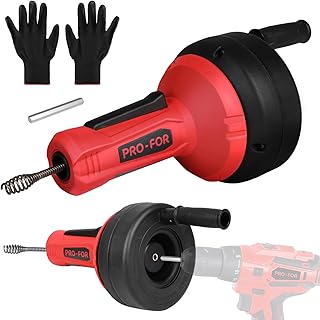
Drain Auger, 16.4FT Plumbing Snake Drain Clog Remover, Manual & Drill Powered Drain Snake for 0.75–2 Inch Pipes, Sink, Shower, Bathtub, Toilet, Kitchen Drain Cleaner Tool with Steel Cable
Check PriceFor the vast majority of toilet clogs, the answer is clear. Start with a plunger, then move directly to a toilet auger. This combination solves almost every blockage inside the fixture. The auger’s safety sleeve gives you peace of mind that you will not ruin your bathroom’s appearance.
If you are dealing with a whole-house slow drain or a sewage smell coming from multiple drains, the problem is beyond the toilet. In that case, a snake is the correct tool, but you must access the main line cleanout outdoors or remove the toilet. Do not insert a bare snake into a mounted toilet bowl.
Every homeowner should own a toilet auger. It takes up minimal space and will be used multiple times if you have kids or an older plumbing system. A drain snake is a nice addition for general maintenance of sinks and tubs, but it is not a substitute for a toilet-specific tool.
Final Recommendations for Your Toolkit
- Own a toilet auger: Choose a model with a sturdy, kink-resistant cable and a rubberized boot. It will handle 95% of toilet emergencies.
- Buy a small sink snake: Keep a 15-foot handheld snake for bathroom and kitchen sinks. Never bring it near the toilet.
- Rent for major jobs: When multiple drains are slow, rent a power snake or call a pro. Do not try to muscle through a main blockage with a tiny cable.
Maintaining Your Tools and Preventing Clogs
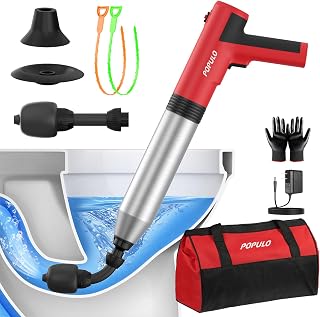
POPULO Electric Toilet Plunger, Air Powered Toilet Clog Remover, Heavy Duty Power Plunger, High Pressure Drain Unclogger for Household Toilets, Electric Drain Clog Remover with Built-in Air Pump
Check PriceAfter clearing a clog, take five minutes to clean your auger. Wipe the cable with a disinfectant solution and dry it completely. Any moisture left inside the tube will cause rust, and a rusty cable is more likely to snap. Store the auger hanging vertically so the cable remains straight.
Lubricate the crank mechanism with a silicone spray once a year to keep it spinning smoothly. For snakes, inspect the cable for kinks or frayed wires. A broken wire can cut your hand during use. Replace any damaged section immediately.
Simple Habits That Avoid Toilet Clogs
- Only flush human waste and toilet paper. Never wipes, feminine products, cotton swabs, or dental floss.
- Use a trash can with a lid in the bathroom to discourage flushing non-flushable items.
- Teach children how much paper to use. A wad of half a roll will stop up even the best toilet.
- Run hot water and a cup of white vinegar down the overflow tube once a month to keep the trap clean.
FAQs About Toilet Auger vs Snake
Can I use a regular drain snake in my toilet?
You can, but you should not. The bare metal cable will scratch the visible porcelain bowl. These grey marks are permanent and reduce the beauty of your bathroom. A toilet auger has a protective sleeve that eliminates this risk entirely. Always use a tool designed for the job.
Is a toilet auger safe to use on all toilets?
Yes, manual toilet augers are safe for all standard two-piece and one-piece toilets. The rubber boot and curved guide tube fit the bowl’s shape. Just avoid aggressive force, which might crack very old or damaged porcelain. If your toilet is vintage or cracked, call a plumber instead.
Which tool works better for a toy stuck in the toilet?
A toilet auger is often better for retrieving hard objects like toys. The hook or corkscrew tip can snag the item and pull it back up. A snake might push the toy deeper into the drain, making retrieval harder. If you cannot hook the object after a few tries, it is safer to remove the toilet.
Do I need an electric snake for a toilet clog?
No, you do not. Electric snakes are too powerful and lack the fine control needed for delicate toilet traps. They are designed for main sewer lines. A simple manual toilet auger provides all the torque necessary to clear toilet blockages. Keep the power tools for underground pipes.
Conclusion
The debate between a toilet auger vs snake really comes down to one question: Is the clog in the toilet or deep in the drain line? For bowl blockages, the auger reigns supreme. Its short, shielded cable clears the trap without scratching the porcelain. Every homeowner should keep one within reach.
Reserve drain snakes for sinks, tubs, and main line access points. If you use one on a toilet, remove the toilet first. The cost of a scratched or cracked bowl far exceeds the price of the right tool. A quality toilet auger typically pays for itself on its very first use.
Next time you face a rising water line, stay calm. Grab your plunger first. If that does not work, reach for your trusty toilet auger. With a gentle turn of the crank and a little patience, you will restore the flush and get your bathroom back to normal in minutes.