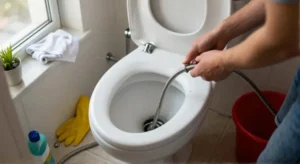
Clogged toilets are a household hassle nobody wants to face, and a plunger does not always fix the problem. When you have tried plunging and the water just sits there, a toilet snake becomes your best tool. Understanding how to use a snake for toilet clogs can save you from a messy overflow and an expensive plumber bill. This guide will walk you through every step with clear, practical advice.
Using a toilet snake, also called a closet auger, seems intimidating at first. However, with the right technique, it is a safe and effective way to break up tough blockages. The key is knowing when to reach for the snake instead of the plunger and how to operate it without scratching your porcelain. Let’s dive in so you can clear that stubborn clog like a seasoned DIYer.
What Is a Toilet Snake?
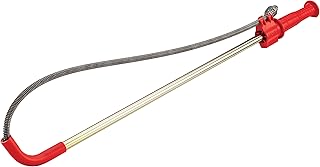
RIDGID 59787 Model K-3 Toilet Auger with Unclogging 3-Foot Snake and Bulb Head
Check PriceA toilet snake is a specialized drain cleaning tool designed specifically for toilets. It has a long, flexible metal cable coiled inside a protective tube, with a curved hook at the business end. This hook helps break apart, grab, or push through solid obstructions deep within the toilet’s internal trap. Unlike a regular drain snake, a toilet auger has a rubber or plastic sleeve to protect the bowl from scratches.
The device usually features a hand crank that rotates the cable, allowing you to feed it down the drain manually. Most home-use models extend between 3 and 6 feet, which is enough to reach through the toilet trap and a few feet into the waste line. If you need to clear a toy, a wad of toilet paper, or hardened waste, this is the tool that gives you the mechanical advantage that a plunger cannot.
When Should You Use a Toilet Snake?
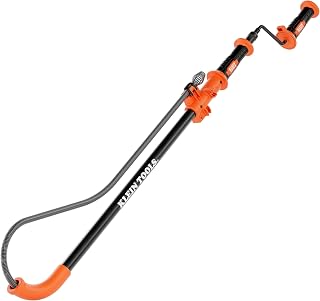
Klein Tools 53018 6-Foot Steel Toilet Auger, Extendable Toilet Snake Drain Clog Remover, Hybrid Manual Drill Operation, Plumbing Snake for Drains
Check PriceYou do not need to grab a snake for every slow drain. The ideal time to use a toilet auger is when a plunger fails after multiple, proper attempts. If you plunge and the water rises without draining, or if the toilet flushes weakly but never completely clears, a physical obstruction likely sits in the trap. A snake can directly address that obstruction rather than just applying air pressure.
Signs you need a snake include a toilet that overflows even with minimal use, gurgling sounds from the bowl, or water that drains extremely slowly over hours. This is often caused by a child’s toy, a dense mass of toilet paper, or an item accidentally dropped into the bowl. Trying to flush again only risks a flood, so stop using the toilet and get your snake ready.
Types of Toilet Snakes
Closet Auger vs. Drum Auger
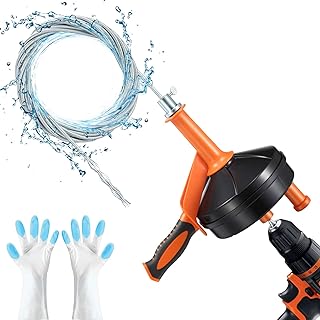
Drain Auger, Clog Remover with Drill Adapter, 25 Feet Flexible Plumbing Snake Use Manually or Powered for Kitchen, Bathroom and Shower Sink, Comes with Gloves (orange)
Check PriceThe closet auger is the standard toilet snake. It has a short, rigid body with a J-shaped curve at the end that fits snugly into the toilet bowl’s drain opening. The cable feeds through that curved sleeve, directing the tip right into the trap without scraping the porcelain. This design makes it nearly foolproof for homeowners.
A drum auger, on the other hand, is a general-purpose drain snake that you might use for sinks or floor drains. It usually has a longer cable stored in a drum and lacks a protective sleeve. Using a drum auger in a toilet is not recommended because the exposed metal cable can easily chip or scratch the visible ceramic. Stick with a dedicated closet auger for toilet work.
If you are looking for a reliable tool to keep at home, check out our top-rated toilet snakes. For a model that balances price and performance, you can also read about the best toilet auger for home use to find one that fits your needs.
Step-by-Step Guide: How to Use a Snake on a Toilet
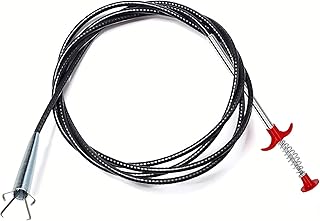
Drain Snake, Drain Clog Remover – Gutter Cleaning Tools Drain Cleaner for Toilet Sewer Shower Kitchen Bathroom Tub Clogged Drains Opener Cleaning Tool, Flexible Grabber Claw Pick Up Reacher (79 inch)
Check PriceBefore you start, make sure the water level in the bowl is not dangerously high. If the bowl is full and about to overflow, remove some water with a small cup and bucket until the level is manageable. You want enough water for the cable to glide, but not so much that any motion splashes out onto the floor. Now, let’s get into the process.
Step 1: Gather Your Supplies
- A toilet snake (closet auger)
- Rubber gloves
- Old towels or rags
- A bucket and small cup (if you need to lower water level)
- Mild cleaner for cleanup afterward
Put on your gloves and spread towels around the base of the toilet. Accidental splashes happen, and you do not want toilet water soaking into your bathroom floor. Keeping the area protected will make cleanup much faster and less stressful.
Step 2: Prepare the Area and Position the Auger
Extend the snake’s cable so only the curved guide tube is visible below the handle. Place the curved end into the bottom of the toilet bowl, fitting it directly into the drain opening. The curve should point toward the trap, which usually angles toward the back of the toilet. Do not force the metal sleeve against the porcelain, let it rest naturally in place.
Hold the handle with one hand and steady the guide tube with the other. You want a firm, controlled grip so the auger does not shift around while you crank. If you are using a telescoping model, extend the handle for better leverage but keep the guide within the bowl.
Step 3: Insert the Snake Cable Slowly
Start feeding the cable by turning the crank clockwise. You will feel the tip moving through the trap’s tight bend. Keep the pressure gentle and consistent, never force the auger. If you meet solid resistance, you have likely reached the clog. That is normal, and it tells you exactly where the blockage is.
Push forward while turning the handle to let the rotating tip grind into the clog or grab onto the obstruction. You can also reverse the crank slightly, then go forward again. This back-and-forth motion helps break apart tangles of paper or dislodge a stuck object. Listen for a change in sound or a sudden release of pressure.
Step 4: Crank and Feed Through the Blockage
Continue to turn the crank while applying moderate forward pressure. The cable should gradually move deeper as the obstruction loosens. If you suspect the clog is a soft mass of waste and paper, the snake will churn through it relatively quickly. For solid objects like a small toy, the hook tip may grab hold of it.
Once you feel the cable push past the resistance, stop feeding. Rotate the auger a few more times at that spot to make sure nothing remains stuck. Then, maintain the crank rotation and slowly pull the cable back out. This prevents the cable from snagging inside the porcelain and brings any captured debris with it.
Step 5: Retrieve the Cable Carefully
Pull the cable back while keeping a steady hand on the guide tube. You may see globs of toilet paper, hair, or a foreign object clinging to the hook tip. Have a plastic bag ready to discard the gunk without dropping it on your floor. Do not yank the cable out violently, as that can splash water everywhere.
Once the cable is fully retracted, wipe off the visible part with a disinfectant wipe or rag. You can also flush the toilet at this point with the auger removed to see if the drain runs freely. If water drains quickly and the bowl empties normally, you have cleared the clog.
Step 6: Test the Flush and Clean Up
Perform a test flush with the lid open so you can watch the water’s behavior. The bowl should fill and empty rapidly without rising toward the rim. If the water still drains slowly, you may need to repeat the snaking process or the clog could be farther down the drain line. In that case, a wet/dry vacuum or a professional may be needed.
After a successful flush, clean and disinfect your snake according to the manufacturer’s instructions. Wash your gloved hands, remove the towels, and sanitize the bathroom surfaces. A little effort now prevents bacteria from spreading. Store the auger in a dry place so it is ready for the next emergency.
Safety Tips and Common Mistakes to Avoid
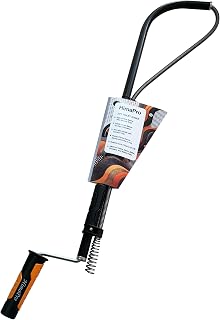
HimaPro Professional Toilet Auger/Closet Auger, 3 Feet Pipe Snake | Rust-Resistant High-Carbon Spring Wire, Scratch-Free Vinyl Sleeve, Ergonomic Non-Slip Handle
Check Price- Never use a regular drum auger without a bowl guard. The exposed metal can chip the toilet’s finish instantly.
- Do not force the cable when you hit a hard stop. Excessive pressure can crack the internal porcelain trap.
- Avoid spinning the crank too fast; it can twist the cable into a knot inside the toilet.
- Never mix chemical drain cleaners with snaking. The rotating cable can splash harmful chemicals onto your skin.
- If you snag something solid and cannot pull it free, stop and call a plumber. Removing the toilet may be safer.
Many beginners make the mistake of inserting the snake without first removing excess water, which leads to spills. Always lower the water level if the bowl is near the rim. Another common error is retracting the cable without turning the crank. That can wedge the cable tip into the trap, making it hard to remove. Keep a steady turning motion even when pulling back.
When to Call a Professional Plumber
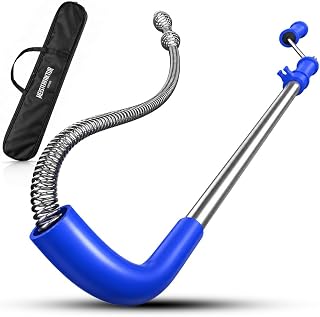
Meisterfaktur toilet snake [6 feet] – toilet auger for heavy toilet blockages – No damage thanks to silicone protection – the closet auger for real DIYs! (6 FEET)
Check PriceA toilet snake handles most clogs, but some situations require expert help. If you have snaked the toilet thoroughly three times and the water still backs up, the blockage likely sits deeper in the main drain line. You might also notice multiple fixtures gurgling when you flush, which points to a main sewer obstruction. These are not DIY fixes.
If you drop something valuable or hazardous into the toilet, such as a medication bottle or a sharp object, do not try to fish it out with a snake. Turning the auger can damage the item or push it further. Removing the toilet from the floor is a cleaner way to retrieve it, and a plumber has the tools to do that without causing a flood. For more expert advice on toilet clogs, trusted resources can help you decide when DIY ends.
Frequently Asked Questions
Can a toilet snake scratch the bowl?
A proper closet auger has a rubber-coated guide tube that prevents scratching. As long as you keep the metal cable inside the sleeve while it is in the bowl, you will not damage the porcelain. Scratches usually happen when someone uses a drum auger without a guard or forces the rigid tube against the bowl at an extreme angle.
How far do you push a snake into a toilet?
For most standard clogs, you only need to feed the cable until you feel resistance and then push past it, usually between 2 and 4 feet. The entire toilet trap is only a few feet deep. If you have to feed more than 5 or 6 feet, the clog is beyond the toilet and into the drain pipe, which might be beyond the reach of a typical closet auger.
Is a toilet snake better than a plunger?
They serve different purposes. A plunger works well for soft, close-range blockages in the bowl trap. A snake is better for solid obstructions or clogs that a plunger cannot budge after several tries. Ideally, you should have both tools on hand, starting with the plunger and moving to the snake if needed.
Can you use a snake on a low-flow toilet?
Yes, you can. The process is the same, but low-flow toilets often have a slightly different trap design. Just be extra cautious when inserting the bent guide tube. Ensure the sleeve enters the drain opening smoothly, and never force it. The snake will navigate the trap without damaging the internal glaze if you go slowly.
Conclusion
Learning how to use snake for toilet clogs gives you a simple, powerful way to deal with stubborn blockages. With a closet auger, a few towels, and the methodical steps above, you can clear most toilet backups without ever touching a phone to call a plumber. The key is patience, a gentle touch, and understanding when the clog is beyond your reach.
Keep your auger clean and stored in an accessible spot so you are ready the next time a flush goes wrong. If your toilet still refuses to drain after multiple attempts, do not hesitate to call a professional. A well-maintained toilet snake is a one-time investment that pays for itself the first time you avoid an emergency service call.