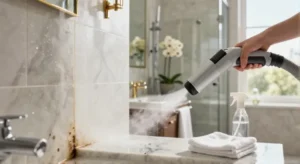
If you have ever scrubbed a shower wall until your arm ached or held your breath while spraying chemical cleaners in a small bathroom, you may have wondered are steam cleaners good for bathrooms. The short answer is yes, for most surfaces and most cleaning goals, a steam cleaner can transform the way you maintain your bathroom. It uses only hot, dry vapor to loosen soap scum, dissolve grime, and kill common household germs without adding another bottle of solution to your cabinet.
That said, a steam cleaner is not a magical wand. It has strengths and limitations you need to understand before investing. In this guide you will learn exactly how these machines work, which bathroom zones benefit the most, and how to avoid mistakes that can damage certain materials.
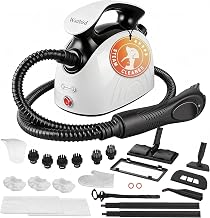
Waitbird 4.5 Bar Steam Cleaner for Home, Handheld Steamer
Check PriceHow a Steam Cleaner Tackles Bathroom Grime
A steam cleaner heats water inside a sealed tank until it turns into a dry vapor that exits the nozzle at temperatures between 200 °F and 300 °F. The heat alone does two things at once. It breaks the molecular bond between dirt and the surface, and it kills bacteria, dust mites, and mold spores on contact.
Because the vapor contains only about five percent water, surfaces dry almost instantly. This makes steam especially valuable in bathrooms, where trapped moisture invites mildew and musty smells. The action is purely thermal and mechanical, so you get a deep clean without film or residue left by traditional sprays.
The Real Pros of Using Steam Cleaners in Bathrooms
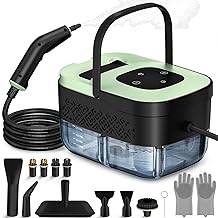
Steam Cleaner, Portable Steamer for Cleaning with 16pcs Accessories
Check PriceTruly Chemical-Free Sanitizing
Many bathroom cleaners promise to disinfect but leave behind smells and irritants. A steam cleaner provides a genuine chemical-free alternative. Independent tests show that sustained exposure to steam above 212 °F eliminates common bathroom bacteria such as E. coli and staphylococcus, as well as the mold often found on shower curtains and tiled corners.
Reaches Crevices That Sponges Miss
Bathrooms are full of tight spaces, from the track of a sliding shower door to the seam where the toilet meets the floor. The concentrated jet and small brush attachments allow the vapor to penetrate grout lines, around faucet bases, and under toilet seat hinges. You end up cleaning areas that normally get ignored simply because they are hard to reach.
Eliminates Odors at the Source
Bathroom odors often come from bacteria and mildew colonies hiding in damp spots. Hot steam kills the microorganisms responsible, permanently removing the smell rather than simply masking it with fragrances. After a deep steam session, many homeowners notice the bathroom smells genuinely fresh, not perfumed.
Reduces Moisture Build-Up Over Time
Traditional mopping adds water to the bathroom floor. Steam cleaning applies low-moisture vapor that evaporates in seconds. This helps keep grout dry and less hospitable to mold, making it an excellent maintenance tool between deep cleans.
The Limitations You Should Know
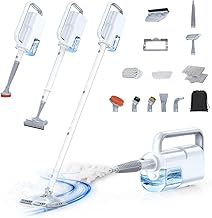
10-in-1 Steam Mop, Detachable Handheld Steam Cleaner by LABIGO
Check PriceSteam is not suitable for every surface or every type of mess. Understanding its weaknesses prevents frustration and damage.
- Loose dirt and hair must be removed first. A steam cleaner does not pick up debris. It loosens it. You still need to wipe surfaces with a microfiber cloth or vacuum up dust before and after steaming.
- It cannot remove hard water deposits on its own. If limescale has built up for months, the heat may soften it, but you will often need a mild acidic cleaner like vinegar or citric acid for full removal. Steam excels at preventing new buildup, not dissolving thick crusty deposits.
- Some materials can warp or crack. Unsealed wood, painted walls, and certain types of acrylic tubs should not be exposed to prolonged high heat. Always check the manufacturer’s guidelines for your fixtures.
Bathroom Surfaces That Shine With Steam
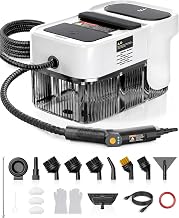
GEVOLCM Steam Cleaner, 3 Level Adjustable Handle with 18 Accessories
Check PriceTile and Grout
This is where steam truly outperforms chemical sprays. The hot vapor lifts soap scum from glossy tiles and pushes deep into porous grout lines. To get the best result, work in small sections and follow the steam immediately with a stiff grout brush or a microfiber cloth. The combination of heat and agitation makes grout noticeably brighter after just one pass.
Glass Shower Doors and Mirrors
Steam cuts through the filmy haze that builds up on glass. Apply vapor evenly from top to bottom, then wipe with a clean, dry microfiber cloth. The result is a streak-free shine without ammonia or blue sprays. For heavily spotted doors, a quick pretreatment with a drop of dish soap followed by steam makes the job much faster.
Toilets, Inside and Out
Steam can sanitize the exterior of the toilet, including the seat, lid, and the tricky base area around the bolts. Using a small nozzle attachment, you can direct steam around the hinges and flush handle where germs collect. While you should never replace internal bowl cleaning, a steam blast under the rim and along the seat crevices provides extra hygiene.
Shower Fixtures and Metal Trim
Chrome and stainless steel respond well to steam cleaning. A quick pass followed by a buff with a dry cloth restores the original shine and removes water spots. Just avoid prolonged exposure if your fixtures have any plastic coating or mixed material parts.
Surfaces and Situations Where Steam Is Not Ideal
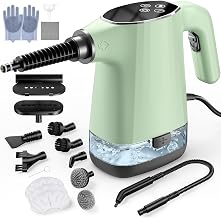
Handheld Steam Cleaner, Portable Steamer for Cleaning with 18PCS Accessories
Check Price- Unsealed natural stone: Marble, limestone, and travertine are porous and sensitive to heat and moisture. Steam can cause micro-cracks and etching.
- Acrylic and fiberglass tubs: Some acrylic surfaces can warp if steamed for too long. Always test in an inconspicuous area first or consult the tub manual.
- Painted or wallpapered walls: Even the high-quality paint in a bathroom can soften under direct steam, leading to bubbling or peeling.
- Electronics and outlets: Keep steam away from smart toilet controls, bidet seat connections, and electrical outlets. Water vapor and electricity never mix safely.
How to Steam Clean Your Bathroom, Step by Step
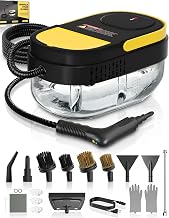
Gautye Steam Cleaner, 3 Level Adjustable Handle with 15 Accessories
Check PriceA systematic approach gives you the best results without over-wetting the room.
- Step 1 – Clear and ventilate: Remove toiletries, rugs, and waste bins. Open a window or turn on the exhaust fan to let moisture escape quickly.
- Step 2 – Dry dust first: Use a microfiber duster or vacuum with a brush attachment to pick up loose hair, dust, and debris. Steam will only push it around if you skip this step.
- Step 3 – Fill the machine: Use distilled water in your steam cleaner to prevent mineral buildup inside the boiler. Tap water, especially hard water, shortens the lifespan of the appliance.
- Step 4 – Start high and work low: Begin with shower walls and mirrors, then move to fixtures, countertops, and finally the toilet and floor. Gravity causes dripping, so you want to catch it on surfaces you have not cleaned yet.
- Step 5 – Use the right attachment: A small round brush is ideal for grout lines. A squeegee attachment works wonders on glass. A flat floor head suits tile floors. Change accessories as you move through the room.
- Step 6 – Wipe immediately: Steam loosens soil, but it does not remove it. Keep a stack of clean microfiber cloths handy and wipe each section right after steaming. Flip the cloth to a dry side for a final polish.
Steam Cleaners Versus Traditional Bathroom Cleaning Methods
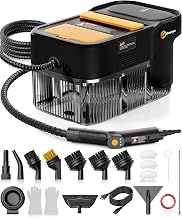
Gautye Steam Cleaner, 3 Level Adjustable Handle with 18 Accessories
Check PriceTo understand if steam is right for you, it helps to compare it side by side with the two most common approaches: chemical sprays and electric scrubbers.
Chemical cleaners work fast on heavy soap scum and hard water stains because they chemically react with the grime. They often require minimal scrubbing. The trade-off is exposure to volatile organic compounds and the need to keep the room ventilated. For people with asthma or allergies, steam offers a welcome alternative.
Electric spin scrubbers use mechanical brushes to agitate dirt. They are excellent for large, flat surfaces like bathtubs and floors. However, they rely on additional cleaning solutions and do not sanitize with heat. Many homeowners find the best results by combining both tools, using a scrubber for heavy buildup and a steam cleaner for weekly maintenance and disinfection. If you are curious about that dynamic, our detailed comparison of electric scrubbers and steam cleaners breaks down the strengths of each machine.
Choosing the Right Steam Cleaner for Bathroom Use
Not every steam cleaner is built for the wide range of tasks in a bathroom. A basic steam mop meant for sealed floors will struggle on vertical tiles or around tight toilet corners. Look for a canister-style or handheld unit that comes with multiple attachments, including a detail nozzle, a grout brush, and a squeegee. A machine with a continuous fill tank lets you work without stopping to cool down and depressurize.
Boiler power matters. A unit that reaches at least 245 °F delivers true sanitizing performance. Temperature, not pressure, does the real work. Lightweight models with a comfortable grip reduce fatigue when you are holding the device up to clean shower ceilings. For a curated selection of reliable options, check our guide to top-rated bathroom steam cleaners. It covers the specific features that make a difference in small, damp spaces.
When you read product listings, pay attention to the accessories included. A floor glider, extension hoses, and a microfibre bonnet allow you to tackle everything from the mirror to the bathroom floor with one machine. As the steam cleaner buying guide notes, versatility and fast heat-up time are the two features that separate an all-day tool from a dust collector.
Safety Tips Every Bathroom Steamer Should Follow
- Wear closed-toe shoes: The steam can burn bare feet instantly if the nozzle gets too close to the floor while you work.
- Never aim steam at your skin: Hot vapor above 200 °F causes scalds. Treat the nozzle like a hot iron at all times.
- Keep pets and kids out: The cable, hot attachments, and noise can be hazardous in a small bathroom.
- Let the unit cool before refilling: Opening a pressurized tank while hot can release a dangerous burst of steam.
- Test a hidden area: Even surfaces that are generally safe can have a weak spot in the sealant or finish. Spend 30 seconds on a small, out-of-the-way patch first.
Common Mistakes That Reduce Effectiveness
The most frequent error is moving the nozzle too fast. Steam needs a few seconds of contact to break down grime and kill germs. Move slowly, roughly one inch per second, and let the heat do the work. Rushing turns a thorough clean into a superficial wipe-down.
Another mistake is neglecting to dry surfaces properly. After steam loosens the dirt, the suspended particles ride on a thin layer of moisture. If that moisture dries on the tile, the grime simply re-settles. Always follow the steam with a dry microfiber wipe to lift the waste away completely.
Finally, using tap water in hard water areas can clog the machine. Mineral deposits block the nozzle and reduce steam output over time. Distilled water is inexpensive insurance that keeps your cleaner performing like new.
Frequently Asked Questions
Is a steam cleaner really safe for bathroom tiles?
Yes, for ceramic and porcelain tiles with intact grout, steam cleaning is completely safe and highly effective. The heat will not crack the tile because ceramic is fired at much higher temperatures. Just avoid unsealed natural stone and make sure the grout is not crumbling before you start.
Can steam cleaning remove black mold in the shower?
Steam kills surface mold and mildew on contact, but it does not remove deep stains or structural mold growing inside walls. If you see black mold on caulking or tile, steam will sanitize the area. You will still need to scrub away the discoloration. For mold that keeps returning, the underlying moisture problem must be fixed.
Do I need to use any cleaning product with a steam cleaner?
In most cases, no. The heat alone handles sanitation. However, for extremely stubborn soap scum or limescale, you can pre-treat the area with a mild vinegar solution, then use the steam to rinse and sanitize. Always check your machine’s manual because some models allow a small amount of cleaner in a separate tank, but many do not.
How often should I steam clean the bathroom?
A light weekly steam on high-touch surfaces like faucets, toilet handles, and mirrors keeps bacteria levels low. A more thorough full-room session every two to four weeks works well for most households. If you have allergies or someone in the home is immunocompromised, weekly deep steam sessions provide extra peace of mind.
Will steam damage the caulk around my tub?
Silicone caulk is heat-resistant and generally handles steam well if it is in good condition. Old, cracking, or loose caulk may soften further. It is best to replace damaged caulk before you start steaming, otherwise water can seep behind it and cause hidden mold growth.
Conclusion: A Worthy Investment for Most Bathrooms
So, are steam cleaners good for bathrooms? They are excellent for households that want a deep, chemical-free clean and are willing to learn a simple routine. They shine on tile, glass, chrome, and around the toilet, killing germs and odors without leaving a trace of residue. While they cannot replace every cleaning tool, they dramatically reduce the need for harsh sprays and endless scrubbing.
To make the most of yours, pair it with a quality microfiber cloth, use distilled water, and follow the sequence of dry dust, steam, and wipe. With the right technique and a machine built for bathroom versatility, you will find that steam cleaning turns a dreaded chore into a satisfying, effective habit that keeps your space genuinely fresh.