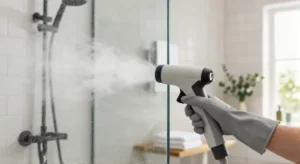
Shower glass catches soap scum, hard water spots, and cloudy buildup that can make even a freshly cleaned bathroom look dull. If you scrub with chemical sprays and still see streaks, you might wonder: can you steam clean shower glass without ruining it? The quick answer is yes, you can, but you need to do it with care. Steam offers a powerful, chemical-free way to dissolve that stubborn film, but glass shower doors and enclosures are not all exactly alike. Knowing when steam is safe, how to apply it, and what to avoid can make the difference between a gleaming, streak-free finish and an expensive piece of cracked glass.
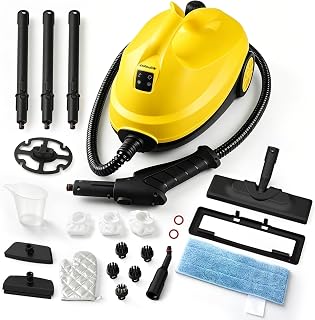
300°F Steam Cleaner for Home, 4.5 Bar, With 21 Accessories | Floor, Window, Oven, Grout, Furniture| Kitchen, Bathroom| 1.5L Tank| 5M Power Cord| Steamer Cleaning| Safety Lock| Yellow
Check PriceIs It Safe to Steam Clean Shower Glass?
Safety depends almost entirely on how you handle the heat. Most modern shower glass panels are made from tempered glass, a type of safety glass designed to withstand a fair amount of thermal stress. Tempered glass can handle gradual, even heating from a steam cleaner, but it does not react well to sudden, sharp temperature changes. If the glass is cold from an air-conditioned room and you blast it with high-heat steam right away, you risk thermal shock, which can cause tiny stress cracks or even shattering in rare cases.
The seals, gaskets, and frame materials around the glass also matter. Silicone seals can soften under prolonged, direct steam, and some vinyl or rubber gaskets may warp. You will get brilliantly clean glass as long as you steam gently, never linger on one spot, and check the condition of the glass before you start. Inspect the panel for any existing nicks, chips, or edge damage. Preexisting flaws weaken the glass and make it more vulnerable to heat stress. If your shower door has a protective coating, such as a factory-applied water-repellent film, steam is safe but you should avoid abrasive after-scrubbing that may strip that coating.

10-in-1 Steam Cleaner, Detachable Handheld Steam Mop for Multi-Surface | Quick 10s Heat, 350ml Water Tank and 2-Level Steamer for Cleaning Floor, Window, Carpet, BBQ Grill, Tile, Sofa, Car and Grout
Check PriceBenefits of Using Steam on Shower Glass
Steam cleaning delivers a deep clean that ordinary spray cleaners and elbow grease sometimes miss. The microscopic hot vapor molecules penetrate the porous surface of soap scum and mineral deposits, loosening them from the glass without harsh chemicals. Here are the most meaningful gains you will notice right away.
- Chemical-free cleaning ideal for homes with allergies, children, or pets.
- Dissolves hard water spots and soap scum that typical sprays leave behind.
- Disinfects surfaces with high heat, killing mold, mildew, and bacteria.
- Drastically reduces scrubbing time and physical effort.
- Leaves a streak-free shine when followed by a microfiber wipe-down.
Because steam uses only water, there is no chemical residue left behind to attract new dirt. This keeps glass clearer longer and makes maintenance wiping with a squeegee even more effective. Many people report that after steam cleaning, hard water spots return more slowly because the mineral layer has been lifted, not just smeared around. If you are still weighing the overall value, our guide on are steam cleaners good for bathrooms helps you see how the tool handles tiles, grout, and fixtures alongside glass.
Potential Risks and How to Avoid Them
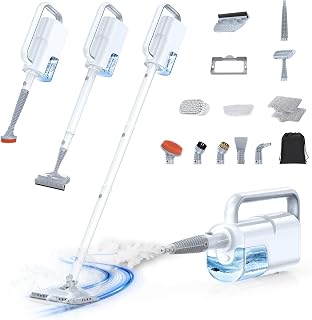
10-in-1 Steam Mop, Detachable Handheld Steam Cleaner for Multi-Surface | 350ml Tank,10s Heat-Up,248°F Steam Cleaner,2-Level Control,Swivel Head for Carpet,Floor,Tiles,BBQ grill,Car Accessories
Check PriceThe biggest risk is thermal shock. When you point a steam nozzle at cold glass, the surface temperature jumps rapidly. Tempered glass can handle a spread, but a localized hot spot right next to a cool area creates stress. To avoid this, never start on a freezing-cold door. If the bathroom has been chilly, run warm water over the glass first or let the room heat up slightly before steaming. Move the steam head continuously, never stopping for more than a second or two in one place.
Seal damage is another concern. Direct steam can soften the silicone bead between glass panels and the tub or wall. Keep the nozzle a few inches away from silicone joints, and do not angle the jet straight into the gasket. If you see water beading behind the seal, stop steaming and dry the area. Finally, steam can push moisture behind the frame if the enclosure has a metal or plastic channel at the bottom. Always dry the lower track thoroughly after steaming to prevent mildew growth inside the frame.
Some older shower glass may not be tempered. If you are unsure, look for a small etched label in a corner of the glass panel that says tempered. If there is no label and the home was built before the 1970s, play it extra safe and do not use direct steam at all, or test on a small, inconspicuous lower corner after warming the glass slowly.
When You Should Avoid Steam Cleaning Shower Glass
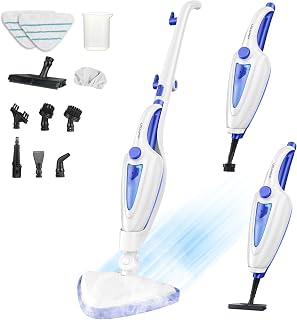
Aspiron 12-in-1 Steam Mop, 1500W Detachable Handheld Steam Cleaner | Fast 15s Heat-Up, 2 Dirt Grip Pads, Removes 99.99% Stubborn Stains for Hardwood Floors, Windows, Tiles, Furniture, Sapphire
Check PriceThere are a few clear situations where steam is not worth the risk. If you spot any of these, stick to gentler methods.
- The glass already has a chip, crack, or deep scratch.
- The door has decorative film, frosting, or a plastic overlay that can peel under heat.
- The enclosure uses acrylic or plastic panels instead of real glass. Heat can warp plastic permanently.
- Silicone seals are already loose, cracked, or showing signs of water intrusion.
- The bathroom temperature is very cold, and you have no way to warm the glass gradually.
If any of these conditions exist, consider using a spray-on daily cleaner and a microfiber cloth or a gentle electric scrubber. Once the glass is intact, steam becomes a viable and highly effective deep-cleaning method again.
Step-by-Step Guide to Steam Cleaning Shower Glass Safely
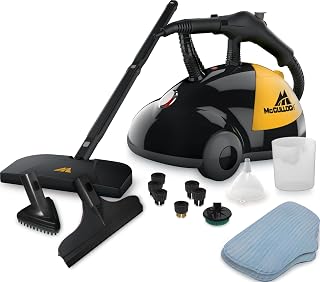
McCulloch MC1275 Heavy-Duty Steam Cleaner, 45 Min Runtime, 18 Accessories | Mop Head, Brushes, & More – Built for Home, Tile, Grout, Carpet, Furniture, & Personal Car Detailing
Check PriceDoing the job right is about preparation, technique, and the right tool. Follow these steps, and you will get showroom-quality clarity without worrying about damage.
What You Will Need
- A steam cleaner with a squeegee or brush attachment, preferably with variable steam control
- Several clean, dry microfiber cloths
- A handheld squeegee
- A spray bottle with distilled water (optional, for pre-warming)
- Rubber gloves for hand protection
Pre-Cleaning Preparation
Start by removing any loose debris, hair, or dust from the glass with a dry cloth. If the glass is heavily soiled with thick, greasy soap scum, a quick wipe with a mild dish soap and water solution can remove the top layer so the steam can work directly on the mineral film. Warm the glass slightly by running a lukewarm shower for a minute or by wiping it with a cloth dampened in warm water. This step equalizes the temperature and greatly reduces the risk of thermal shock. Dry the metal frame and tracks so you do not have standing water that steam can push deeper.
The Steam Cleaning Process
Fill the steam cleaner with distilled water. Using distilled water prevents mineral buildup inside the machine and stops you from spraying new hard water deposits onto the glass. Attach the squeegee nozzle or a soft-bristle brush attachment. For most shower doors, a flat squeegee head with a microfiber cover works best because it directs steam and wipes simultaneously. Set the steam cleaner to low or medium pressure if your model offers adjustment. High pressure is rarely necessary for glass and can force moisture into seals.
Hold the nozzle about three to four inches from the glass surface. Work from the top of the door downward in a steady, overlapping S-pattern. Move slowly enough to heat the residue but never pause in one spot. A continuous, gliding motion lets the steam melt the soap scum while a microfiber cloth, wrapped around the head or held in your other hand, catches the dissolved grime. You will see streaks and milky spots turn to moisture and slide down the glass.
Pay extra attention to the edges and corners where buildup is thickest. Use a smaller detail nozzle if your machine has one, but keep it moving and angled away from seals. After steaming a full panel, take a dry microfiber cloth and buff the glass in a circular motion to remove any remaining moisture. Follow immediately with the handheld squeegee, pulling from top to bottom in overlapping strokes. This final step banishes water spots and leaves the glass crystal clear.
Post-Steam Wipe Down
Finish by wiping the silicone seals, the door track, and the metal frame with a dry cloth. Even a small amount of leftover moisture can lead to mildew under the seal. Leave the shower door open for an hour to let any hidden dampness evaporate. For extra protection, apply a rain-repellent glass treatment, like a car windshield product designed for glass, once the surface is completely dry. This coating makes water bead up and dramatically slows future staining.
For a detailed look at integrating this into your whole routine, visit our page full of steam cleaning bathroom tips that cover tiles, fixtures, and grout in one efficient session.
Best Steam Cleaner Features for Shower Glass
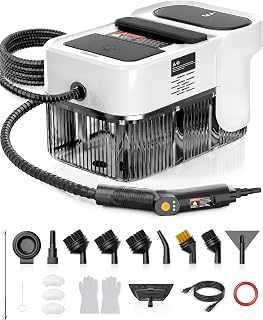
GEVOLCM Steam Cleaner, 3 Level Adjustable Handle with 18 Accessories, White | 10s Heat Up, 2.11 Quarts Tank, Handle Steamer for Cleaning, Steam Cleaner for Home for Kitchen, Grout, Dirt, Tile, Floor, Car
Check PriceNot every steam cleaner is a good fit. The right features make the job faster and protect your glass. Look for these when choosing or using a model you already own.
- Variable steam control so you can start low and increase only if needed.
- A squeegee or flat-surface attachment that spreads steam evenly and wipes in one pass.
- A lightweight, handheld design for easy maneuvering on vertical surfaces.
- A long hose and a trigger lock that reduces hand fatigue during the session.
- A large water tank, or the ability to use distilled water without voiding the warranty.
Canister-style steam cleaners with multiple attachments often work well, but a dedicated handheld steam cleaner with a window or glass tool is even better. Avoid heavy-duty commercial units set to high pressure, as those are overkill for home shower enclosures and can worsen the risk of seal damage.
According to a detailed expert guide on cleaning glass shower doors, even simple steam mops with detachable handheld units can be adapted for glass, but you must ensure the steam path is gentle and the head clean.
Steam vs. Traditional Cleaning Methods for Shower Doors
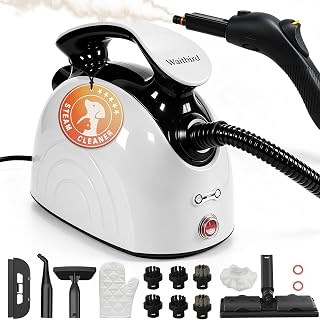
Waitbird 4.5 Bar 300°F Steam Cleaner for Bathroom, Kitchen, Floor & Grout | Easy Use | Quick Heat Up | Large Tank | Quiet Operation | Safety Lock | 21 Accessories for Tiles, Toilets, Stovetop & Carpet
Check PriceIt helps to understand why steam often outperforms the usual spray-bottle and sponge approach. Traditional cleaners rely on surfactants and acids to break down soap scum and minerals. They work decently, but they often leave a hazy film that requires aggressive buffing. Steam, on the other hand, uses heat and moisture to physically melt and lift the gunk from the glass surface. This leads to less streaking and no chemical residue.
The safety profile is another advantage. You inhale no bleach or ammonia fumes when you steam clean. For people with asthma or sensitivities, that alone is a game-changer. In terms of speed, a steam squeegee pass followed by a dry cloth can clean an entire glass door in under five minutes, while a conventional deep scrub plus rinsing and drying takes much longer. The trade-off is that steam requires a small investment in equipment and a careful technique. However, once you establish the habit, most homeowners find the streak-free result far superior to paper towels and blue spray.
Maintenance Tips to Keep Shower Glass Sparkling
Steam cleaning works best as a periodic deep treatment, not a daily chore. Extend the time between deep cleans with these simple habits.
- Use a squeegee on the glass after every shower. This removes standing water before minerals can dry on the surface.
- Spray a homemade daily mist of equal parts distilled white vinegar and water, then wipe with a microfiber cloth.
- Apply a glass protectant every few months to create a hydrophobic barrier that resists hard water staining.
- Keep the bathroom ventilated. Use the exhaust fan or leave the door open after steamy showers to reduce moisture that fosters mildew on seals.
- Wipe metal frames and tracks dry once a week to prevent mineral crust from creeping up the glass edge.
When you combine these daily habits with a monthly or twice-monthly steam treatment, your shower glass will stay so clear that you hardly notice it is there. That is the real sign of a perfectly clean bathroom.
Frequently Asked Questions
Can steam damage the rubber seals around my shower door?
Yes, if you direct a steady jet of high-temperature steam right at the seals for several seconds. Keep the nozzle a few inches away and move it quickly past silicone gaskets. Brief, indirect contact is safe. Always dry seals thoroughly afterward to prevent trapped moisture.
What steam cleaner attachment is best for shower glass?
A squeegee tool or a flat microfiber-covered head is ideal. These spread the steam evenly and let you wipe away dissolved scum in one motion. Small detail brushes work for corners, but never use a hard, abrasive scrubbing pad that could scratch the glass.
Will steam remove hard water stains completely?
Steam alone will dissolve light to moderate hard water stains and most soap scum. For thick, chalky mineral buildup that has been baking on glass for months, you may need to steam first, then follow with a gentle acid like white vinegar or a commercial glass restorer. The steam softens the layer so the remover works faster and with less scrubbing.
Can I use a steam mop upright on shower glass?
A full-size steam mop is cumbersome and hard to control on a vertical surface. You are much safer using a handheld steam cleaner or the detachable handheld unit from a multi-purpose steam mop system. The control and angle allow you to keep the steam moving without pressing too hard against the glass.
Is steam cleaning shower glass safe for coated glass doors?
Most factory-applied protective coatings are heat-stable and tolerate steam fine. Do not scrub the glass with an abrasive pad after steaming because that can wear down the coating. Steaming plus a soft microfiber buff is coating-friendly.
Conclusion
So, can you steam clean shower glass? Absolutely, and when done correctly, it becomes one of the most satisfying cleaning routines in your home. The combination of controlled heat, a gentle wiping motion, and a final squeegee pass lifts away the grime that has been clouding your view without introducing harsh fumes or back-breaking scrubbing. The crucial part is to respect the glass, move constantly, protect seals, and never shock a cold panel with intense heat right away. Start with a warm door, use a variable steam setting, and keep a microfiber cloth handy to catch the dissolved residue before it dries.
With a quality handheld steam cleaner and the mindful approach outlined here, you will turn a frustrating chore into a quick, streak-free refresh. Pair that with daily squeegee habits and an occasional glass protectant, and your shower glass will stay transparent and inviting, making your entire bathroom feel cleaner and brighter.