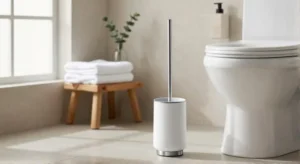
Is there a hygienic toilet brush? Yes, but it depends on the design, material, and how you care for it. Many people think all toilet brushes are dirty by nature, but that is not true. Modern brushes made from nonporous materials can stay clean, dry, and low-odor with the right routine. This guide explains what makes a toilet brush hygienic and how to choose one for your home.
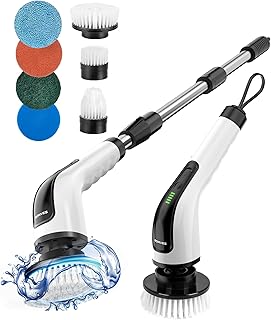
Electric Spin Scrubber with Long Handle
Check PriceThe Short Answer: Yes, But Not Every Brush
A truly hygienic toilet brush exists. It usually has a nonporous head, a well-ventilated holder, and a design that does not trap water. In contrast, old-fashioned nylon brushes with closed holders often become bacteria hotels. The key is pairing the right brush with simple cleaning habits. If you do that, your toilet cleaning tool can stay sanitary.
Not all brushes marketed as hygienic actually solve the real problem. Some look modern but still hold moisture and waste in hidden crevices. Before buying, you need to understand why a brush gets dirty in the first place. That helps you avoid wasting money on a design that only looks clean.
Why Traditional Toilet Brushes Are Often Unhygienic
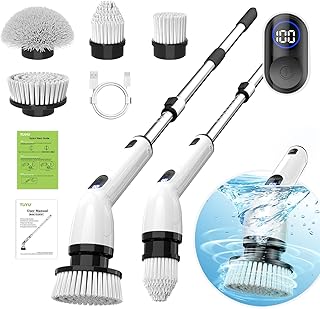
TUYU Electric Spin Scrubber
Check PriceTraditional brushes look helpful, but they create perfect conditions for germs. Their bristles hold moisture, hair, and waste particles after each use. A closed caddy traps that moisture against the brush head. Over time, this leads to mildew, odor, and bacterial growth. Even the handle can become contaminated if you touch it before washing your hands.
In addition, many toilets produce a fine spray of water droplets when flushed. This is often called toilet plume. If the brush sits near the bowl, those droplets can land on the bristles and holder. A damp brush stored in a dark, closed container then becomes a breeding ground for bacteria like E. coli and Salmonella. The brush may look acceptable, but it is carrying far more than you want in your bathroom.
- Damp bristles breed bacteria such as E. coli and Salmonella.
- Closed holders limit airflow and slow drying.
- Frayed nylon bristles trap waste, toilet paper, and hair.
- Brushes stored near the toilet can collect flush spray.
- Cleaning solution left in a caddy can become cloudy and foul.
What Makes a Toilet Brush Hygienic?
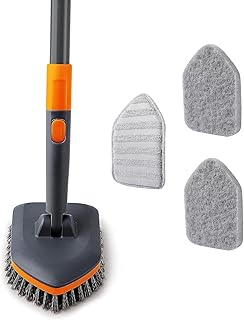
CLEANHOME Tile Tub Scrubber
Check PriceSeveral design features separate a hygienic toilet brush from a standard one. Look for materials that do not absorb water. Consider whether the holder drains and dries quickly. Also check if the brush head can be replaced. These factors matter more than color or brand name.
Nonporous Materials
Silicone and some plastics have smooth, nonporous surfaces. They do not hold water, soap scum, or waste like nylon bristles can. This makes them easier to rinse clean. A silicone brush also dries faster because water beads off the surface. As a result, there is less time for bacteria to multiply. See this silicone toilet brush options guide for specific models that work well.
Nylon bristles are porous and often fray over time. Once the bristles bend or split, they create tiny hiding spots for debris. Even vigorous rinsing may not remove everything. Nonporous materials reduce that problem at the source.
Drainage and Airflow
A hygienic holder should allow air to circulate around the brush head. Many modern holders have open slots or a removable drip tray. The tray catches excess water, but the brush itself stays elevated. This prevents the base of the holder from becoming a swamp. If your current holder has no ventilation, you can store the brush over the toilet bowl after cleaning to let it drip dry.
Airflow is one of the most overlooked features. A brush that stays damp for hours gives bacteria more time to grow. A quick-drying brush, even one with simple materials, will smell better and stay cleaner between uses. When shopping, avoid holders that seal tightly with no holes or vents.
Disposable or Replaceable Heads
Disposable brush heads give you a fresh cleaning surface for each session. You use the handle, clean the bowl, then pop the soiled head into the trash. This removes the need to store a dirty brush at all. Replaceable head systems are also easier to keep hygienic because you swap the head every few weeks. They cost a little more, but they reduce odor and buildup.
For many people, replaceable heads offer the best of both worlds. You keep a sturdy handle but do not commit to a nasty brush for months. If you have a sensitive stomach or simply hate cleaning toilet tools, this style may be the most practical answer.
5 Types of Hygienic Toilet Brushes
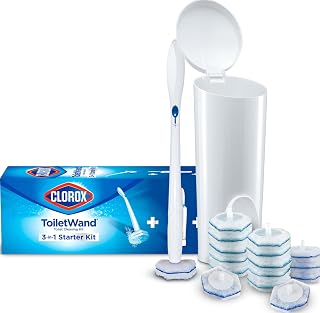
Clorox ToiletWand
Check PriceDifferent designs fit different homes. Here are the main options that solve the hygiene problem.
Silicone Toilet Brushes
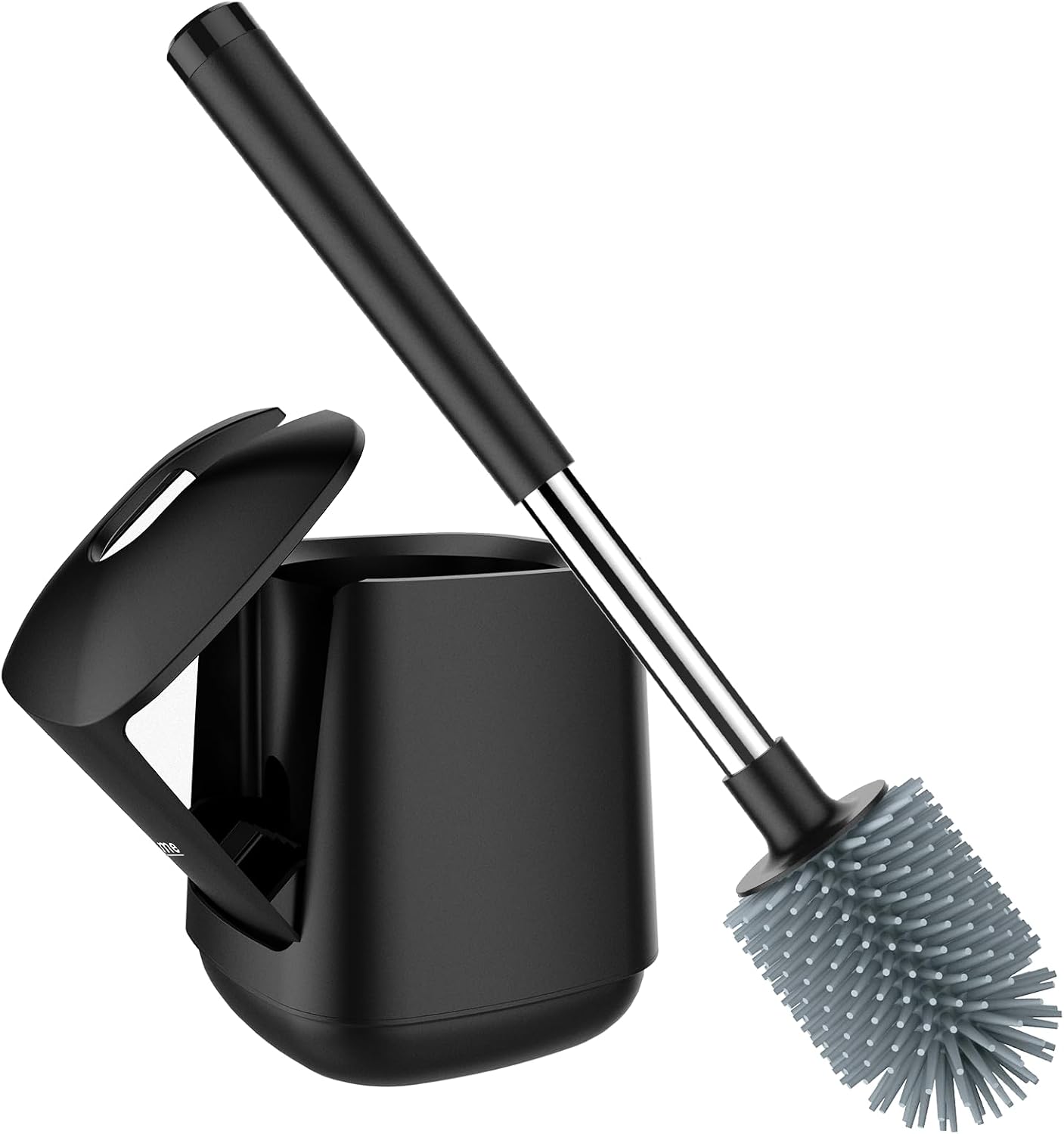
SetSail Silicone Toilet Brush is designed for users who want a modern and hygienic holder system. It is suitable for people who prefer a cleaner drying process and minimal contact with moisture. The design works well in contemporary bathrooms.
Check PriceSilicone brushes have smooth, flexible bristles that resist trapped waste. They rinse off quickly under clean water. Their heads often have fewer crevices than nylon brushes. Many users say they notice less odor and less staining on the brush. You still need to disinfect the brush weekly, but the maintenance feels easier.
One common concern is that silicone may not scrub as aggressively as stiff nylon. In reality, good silicone brushes have enough texture to remove most bowl rings and soft buildup. For heavy mineral stains, you may need a separate pumice stone or cleaning paste. However, for routine cleaning, silicone is more than capable.
Disposable Head Toilet Brushes
These brushes use a reusable handle and disposable pads or scrubber heads. After cleaning, you release the head into a waste bin. There is almost no wet brush sitting in your bathroom. This option is one of the most hygienic because you do not store contaminated bristles. It also eliminates the need for harsh brush-cleaning routines.
The tradeoff is ongoing cost and extra waste. Disposable heads are not ideal if you clean your toilet daily or prefer a low-waste home. Some heads are flushable, but flushing non-toilet paper items can cause plumbing problems. Always toss the used head in the trash unless the package clearly states it is flushable and your plumbing can handle it.
Self-Cleaning or Caddy-Protected Brushes
Some brushes come with holders that contain a small cleaning solution reservoir. Others have a closed caddy that protects the brush but still allows some airflow. These designs can be convenient, but they are not automatic. You still need to replace or refresh the cleaning fluid. Also, any closed system can trap moisture if you do not shake off excess water before storing.
A self-cleaning holder can reduce odors between uses. It does not replace weekly disinfection. If you choose this style, read the care instructions carefully. Refill the cleaning solution as directed and avoid letting the brush sit in dirty fluid.
Angled or Slim-Head Brushes
An angled brush reaches under the rim and into the bowl trap more easily. The shape does not automatically make it hygienic, but it helps you clean those hidden areas. When you can remove visible waste quickly, you reduce the amount of scrubbing needed. Slim heads also dry faster because they have less surface area. This makes them a good companion to a ventilated holder.
For toilets with a narrow trapway or hard-to-reach spots, an angled brush is worth considering. A brush that cannot reach the bacteria-rich under-rim area may leave behind invisible buildup. That buildup can cause odor, even if the bowl looks clean.
Wall-Mounted or Magnetic Brushes
Wall-mounted brushes stay off the bathroom floor. This reduces contact with dust, splash, and mop water. A magnetic holder can hold the brush at an angle that encourages water to drip down. Some wall-mounted models also have open sides for better airflow. These features help the brush dry faster and stay cleaner between uses.
Before choosing a wall-mounted brush, check the strength of the adhesive or mounting bracket. A brush that falls behind the toilet is harder to keep clean. Also, wall placement should be convenient for you to use, not simply hidden out of sight.
How to Keep Any Toilet Brush Hygienic
Even the best brush needs a routine. A few habits make a major difference in bacteria levels and odor.
Clean After Each Use
After scrubbing, hold the brush over the bowl and flush to rinse away waste. Then pour clean water over the bristles from a bucket or the sink. Do not put the brush away dripping wet. Shake off excess water and let it dry over the bowl before returning it to the holder. This simple step prevents most odor problems.
Many people skip this because it takes an extra minute. That minute is worth it. A brush that goes away wet will likely smell within a few days, even if the bowl was cleaned well.
Disinfect Weekly
Once a week, soak the brush head in a disinfectant solution. You can use a mix of household bleach and water or a bathroom disinfectant. Let the brush sit for about 10 minutes, then rinse and dry it. According to CDC household cleaning guidelines, disinfecting bathroom surfaces reduces the spread of germs. Clean the holder with the same solution while the brush soaks.
Always follow the product label for dilution and contact time. Some disinfectants need several minutes to kill germs. Do not assume a quick dip is enough. If you use bleach, wear gloves and work in a ventilated area.
Replace on Schedule
No toilet brush lasts forever. Nylon brushes should be replaced every six months at most, but sooner if bristles look bent. Silicone brushes may last longer, but the holder and handle still need inspection. If you notice cracks, stains, or a smell that will not go away, replace it. A worn brush is harder to keep clean.
Write the purchase date on the handle with a permanent marker if you need a reminder. Replacing a brush on schedule is cheaper than dealing with a recurring odor problem or a bathroom that feels unclean.
Sanitizing the Brush Holder Is Just as Important
A clean brush stored in a dirty holder will quickly become contaminated again. The holder collects drips, dust, hair, and bacteria from toilet plume. If the base is closed, it may also trap stagnant water. Cleaning the brush alone is not enough.
At least once a week, empty the holder and rinse it with hot water. Scrub the inside with a small brush or sponge. Then spray it with a disinfectant and let it sit for the required time. Rinse and let the holder dry fully before putting the brush back. This routine takes a few minutes but dramatically improves hygiene.
Hygienic Toilet Brush vs Alternatives: Which Is Better?
Some people try to avoid a toilet brush altogether. Each alternative has pros and cons.
- Silicone brush: Reusable, fast-drying, low odor, still needs weekly disinfection.
- Disposable head brush: Very hygienic, no stored dirty head, higher cost, more trash.
- Bidet or sprayer: Reduces heavy soiling, but you still need a brush for mineral stains.
- Cleaning wand with pads: Convenient, but pads may not scrub heavy deposits.
For most homes, a silicone brush or disposable head brush is the best balance. They solve the main hygiene issues without being complicated. If you also need a general bathroom cleaning brush, compare the options in this best-rated bathroom cleaning brushes guide.
A bidet can reduce the amount of solid waste in the bowl, but it will not remove hard water rings or limescale. You will still want a physical brush for those tasks. The goal is not necessarily to eliminate the brush, but to choose one that is easy to keep clean.
Common Mistakes That Make a Toilet Brush Unhygienic
Avoid these habits if you want a cleaner brush.
- Storing the brush wet in a closed caddy.
- Placing the holder directly on the floor where it collects dust and splash.
- Using the same brush for months without disinfecting.
- Leaving cleaning solution in the holder for weeks.
- Touching the brush head with bare hands instead of using gloves.
- Keeping a brush near a toilet that is flushed with the lid open.
These mistakes are easy to fix. Small changes to your routine protect your bathroom from extra bacteria and reduce lingering odors. Close the toilet lid before flushing whenever possible. It is one of the simplest ways to keep both the room and your brush cleaner.
How to Choose the Most Hygienic Toilet Brush
Focus on features that reduce moisture, trapped waste, and contact with germs. A good brush feels easy to clean and dries quickly in your bathroom.
Key Features to Look For
- Nonporous bristles made of silicone or smooth plastic.
- A holder with drainage slots or a removable drip tray.
- A long handle that keeps your hands away from the bowl.
- A replaceable head or clearly stated replacement schedule.
- A slim head that can reach under the rim without shredding.
- A stable base that is easy to clean and empty.
Also consider your storage space. A brush that cannot dry in your bathroom will never feel hygienic. If the room is humid, choose a quick-drying silicone option. If you have limited floor space, a wall-mounted brush with open airflow may be better. The right choice depends on your bathroom layout and your cleaning habits.
FAQ Section
Can a toilet brush ever be fully hygienic?
It can be hygienic enough for safe bathroom cleaning. No reusable tool that touches a toilet bowl is completely sterile. However, a nonporous brush that is cleaned and dried after each use is very low risk. If you want the closest thing to sterile, use a disposable head system.
How often should I replace my toilet brush?
Most nylon brushes should be replaced every six months. Silicone brushes may last up to one year or longer with proper care. Replace the brush sooner if it smells, looks stained, or has bent bristles. A brush that no longer looks clean will likely not get clean.
Are silicone toilet brushes more hygienic than nylon?
Yes, silicone brushes are generally more hygienic. Their smooth surface does not trap debris the way nylon bristles do. They also dry faster, which reduces bacterial growth. Nylon brushes can still be sanitary if you disinfect them often, but they require more effort.
What is the most hygienic way to clean a toilet brush?
After each use, rinse the brush in clean water and let it dry over the toilet bowl. Once a week, soak the head in a disinfectant solution for 10 minutes. Rinse again and clean the holder with the same solution before storing the brush. Always let the brush dry fully before putting it away.
Can I leave disinfectant in the toilet brush holder?
It is not a good idea for long-term storage. Disinfectant can break down, become contaminated, and create a strong odor. The fluid may also damage some brush materials over time. It is better to disinfect the brush and holder weekly, then store them dry.
Conclusion
Yes, there is a hygienic toilet brush. The best options use silicone or replaceable heads, drain well, and fit into a simple cleaning routine. You do not need to accept a smelly, bacteria-laden brush as normal. Choose a brush with nonporous bristles, dry it after every use, and disinfect it weekly.
Pay attention to the holder too. A clean brush will not stay clean in a dirty, moisture-trapping caddy. Store the brush elevated and ventilated, close the toilet lid before flushing, and replace the brush on schedule. If you are ready to upgrade, compare silicone options and other bathroom cleaning brushes using the linked guides. With a few small habits, your toilet brush can stay clean, fresh, and safe.