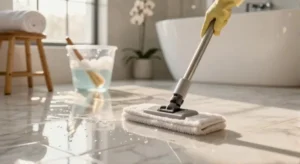
The best way to clean bathroom floor surfaces starts with understanding the material you are working with. Tile, vinyl, stone, and laminate all respond differently to water, detergents, and scrubbing tools. A routine that works for ceramic tile might leave a film on natural stone or damage a laminate finish. This guide walks you through a safe, effective method that adapts to your floor type.
You do not need expensive products to get a clean bathroom floor. You need the right process, the right tools, and a little consistency. Below, we break down the steps, the best cleaning solutions, and common mistakes to avoid.
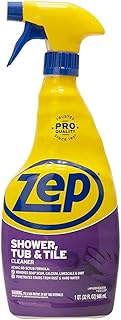
Zep Shower Tub and Tile Cleaner – 32 oz (Pack of 1) – ZUSTT32PF
Check PriceWhy the Right Cleaning Method Matters
A bathroom floor collects more than dust and hair. Soap scum, toothpaste splatters, hard water minerals, and bacteria settle on the surface daily. If you use the wrong cleaner or too much water, you can make grout brittle, warp laminate, or dull natural stone. The right method removes buildup without causing long term damage.
Cleaning also affects indoor air quality. Mold and mildew thrive in damp bathrooms, and a poorly dried floor can feed that growth. A proper cleaning routine includes drying, not just mopping. That is why the best way to clean bathroom floor surfaces always ends with a dry pass.
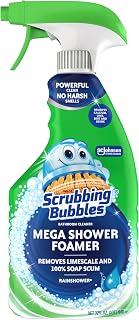
Scrubbing Bubbles Mega Bathroom and Shower Cleaner Spray, Rainshower Scent, 32oz
Check PriceUnderstand Your Bathroom Floor Type First
Before you mix any cleaner, identify what is under your feet. The material determines the safest and most effective technique. Most homes have one of the following bathroom floor types.
Tile and Grout Floors
Ceramic and porcelain tile are the most common bathroom floor materials. They handle moisture well, but grout lines are porous. Dirt and soap scum sink into grout and make it look dark or dingy. The best approach is to mop the tile surface and scrub the grout lines separately at least once a month.
Vinyl and Linoleum Floors
Vinyl and linoleum are budget friendly and water resistant, but harsh scrub pads can scratch them. Avoid abrasive powders and stiff brushes. Use a mild detergent, warm water, and a microfiber mop. Rinse well because leftover soap can make the floor sticky.
Natural Stone Floors
Marble, travertine, and slate add elegance but require care. Acidic cleaners like vinegar or lemon can etch the surface. Use a pH neutral stone cleaner instead. After mopping, dry the stone with a soft cloth to prevent water spots and mineral deposits.
Laminate or Wood Bathroom Floors
Laminate and engineered wood can be used in bathrooms, but they do not like standing water. Wring the mop until it is barely damp. Clean spills immediately. Excess moisture can swell the planks and ruin the finish over time.
Best Way to Clean Bathroom Floor Step by Step
This method works for most bathroom floor types. Adjust the cleaner and the amount of water based on the material you identified above. The process takes about 20 to 30 minutes for a standard bathroom.
Step 1: Remove Everything From the Floor
Move bath mats, trash cans, scales, and any storage baskets out of the room. You need a clear surface to clean every corner. This also prevents dirty mop water from splashing onto items you will later touch with clean hands.
Step 2: Dry Clean First
Use a broom, vacuum, or dry microfiber dust mop to remove loose hair, dust, and debris. If you skip this step, wet mopping just pushes dirt around. For grout lines, a vacuum with a brush attachment works well on dry dust.
Step 3: Prepare the Right Cleaning Solution
For most tile, vinyl, and laminate floors, warm water with a few drops of mild dish soap is safe and effective. For natural stone, use a pH neutral stone cleaner. Do not pour cleaner directly onto the floor. Mix it in a bucket first.
Step 4: Mop Using a Damp, Not Wet, Mop
Dip the microfiber mop into the solution, then wring it thoroughly. The mop should feel damp, not dripping. Excess water seeps into grout and can damage laminate. Work in small sections, starting from the far corner and moving toward the door.
Step 5: Scrub Grout and Corners
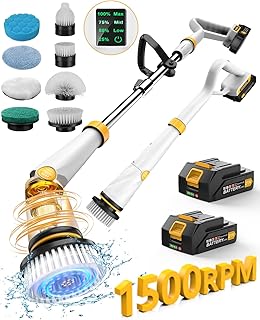
Qimedo Electric Spin Scrubber Q2, 4000mAh Battery, 1500RPM High Power
Check PriceFor tile floors, use a small scrub brush or an old toothbrush on grout lines and corners. Apply a paste of baking soda and water for gentle abrasion. For tougher grout stains, use a dedicated grout cleaner. This is where most mops fall short.
Step 6: Rinse With Clean Water
Soap residue attracts dirt and makes floors look dull. Fill a second bucket with clean warm water. Go over the floor again with a clean damp mop to remove any remaining cleaner. Change the rinse water if it becomes cloudy.
Step 7: Dry the Floor Completely
Use a dry microfiber cloth or a clean towel to wipe the floor. This step prevents water spots, reduces slip risk, and stops mold growth. For stone and laminate, drying is especially important.
Cleaning Solutions That Actually Work
You do not need a cabinet full of chemicals. The right solution depends on your floor type and the level of grime. Here are the most reliable options.
DIY Natural Cleaners
- Warm water and dish soap: Safest all purpose option for vinyl, laminate, and sealed tile.
- Baking soda paste: Great for scrubbing grout and removing light stains.
- White vinegar and water: Works on ceramic tile, but never use on natural stone. Mix one part vinegar with four parts water.
- Hydrogen peroxide: Helps lift grout stains and kill mold. Use a 3 percent solution and scrub with a brush.
Store Bought Cleaners
For convenience, choose a pH neutral floor cleaner labeled safe for your floor type. Avoid products that leave a shine on textured tile, as they can make floors slippery. If you want a product that handles both tile and grout, look for an oxygen bleach based cleaner. You can also check our guide to a top rated bathroom tile cleaner for specific recommendations.
Always follow the label instructions and test any new product in a small hidden area first. For safety and disinfection guidance, refer to the American Cleaning Institute bathroom cleaning guide.
Common Mistakes to Avoid
- Using too much water: Soaking a bathroom floor can damage grout, warp laminate, and promote mold.
- Skipping the dry step: Air drying leaves mineral deposits and water spots.
- Using vinegar on stone: Acidic cleaners etch marble, travertine, and limestone.
- Mixing chlorine bleach with ammonia: This creates toxic fumes. Never mix cleaners.
- Scrubbing vinyl with steel wool: Abrasive pads leave scratches that trap dirt.
- Ignoring grout: Clean grout separately or it will remain dingy no matter how much you mop.
How Often Should You Clean Bathroom Floors
A light cleaning once a week works for most households. That includes sweeping or vacuuming, then damp mopping with a mild cleaner. If you have a large family or a bathroom used by guests often, twice a week is better.
Deep cleaning should happen once a month. This includes scrubbing grout, washing baseboards, and drying every corner. For busy bathrooms, inspect the floor every two weeks for hidden mold or soap buildup behind the toilet.
Tools That Make the Job Easier
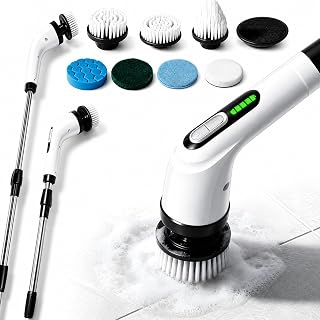
Highyes Electric Spin Scrubber for Bathroom
Check PriceA few simple tools improve your results more than any expensive cleaner. A microfiber mop picks up more dirt than a cotton string mop. A scrub brush with stiff nylon bristles is perfect for grout. A squeegee can help remove excess water from large tile floors.
If your bathroom has a lot of grout lines or textured tile, an electric spin scrubber saves time and effort. For a complete walkthrough on that approach, see this step by step guide to cleaning bathroom tiles. The right tool can cut your cleaning time in half.
Frequently Asked Questions
What is the fastest way to clean a bathroom floor?
The fastest method is to vacuum or sweep the floor, then use a damp microfiber mop with warm water and a few drops of dish soap. Rinse with clean water and dry with a towel. This works in under 15 minutes for small bathrooms.
Can I use bleach to clean my bathroom floor?
Diluted bleach can disinfect non porous tile, but it is too harsh for vinyl, stone, and grout. If you use bleach, mix one half cup per gallon of water, ventilate the room, and never mix it with other cleaners. For regular cleaning, a mild detergent is safer.
Why does my bathroom floor feel sticky after mopping?
A sticky floor usually means too much cleaner or not enough rinsing. Soap residue builds up and attracts dirt. Mop again with plain warm water and dry thoroughly. Use less cleaner next time.
How do I get grout white again?
Make a paste of baking soda and water, apply it to the grout, and scrub with a stiff brush. For deeper stains, use an oxygen bleach solution or a dedicated grout cleaner. Rinse well and dry. Sealing grout after cleaning helps prevent future stains.
Is steam cleaning safe for bathroom floors?
Waitbird 4.5 Bar Steam Cleaner for Home, Handheld Steamer
Check PriceSteam cleaning is safe for sealed tile and stone. Avoid steam on laminate, wood, and unsealed grout. The high heat can damage the surface and force moisture into cracks. Always check the floor manufacturer’s instructions first.
Conclusion
The best way to clean bathroom floor surfaces is not complicated, but it does require the right order: dry clean, damp mop, scrub grout, rinse, and dry. Match the cleaner to the floor material, avoid excess water, and stay consistent. A weekly light cleaning plus a monthly deep clean will keep your bathroom floor hygienic, safe, and looking new for years.
Start today by removing everything from the floor and giving it a proper dry pass. Once you see the difference a simple routine makes, you will never go back to quick wipes alone.