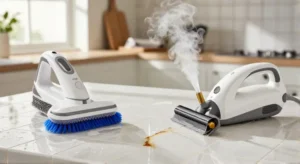
Cleaning stubborn grime, soap scum, and mildew from bathrooms and kitchens can feel like a never-ending chore. Many homeowners face a common dilemma: should you invest in an electric scrubber or a steam cleaner to cut through the mess? Both tools promise faster, deeper cleaning than old-fashioned elbow grease, but they work in fundamentally different ways. Understanding the core strengths of an electric scrubber vs steamer will help you pick the right appliance for your home and your cleaning style.
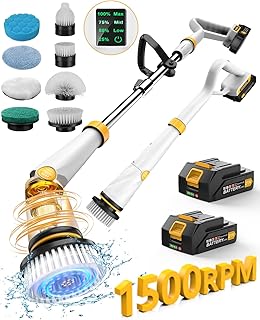
Qimedo Electric Spin Scrubber Q2
Check PriceHow Electric Scrubbers Work
An electric scrubber is a motorized brush that spins or oscillates a cleaning head at high speed. Think of it as a power drill for dirt. Most models come with interchangeable brush heads (flat brushes, cone brushes, and detail brushes) so you can tackle flat surfaces like floors and shower walls, or tight curves like faucets and corners. You apply a cleaning solution, let the scrubber do the aggressive scrubbing, then wipe or rinse away the residue.
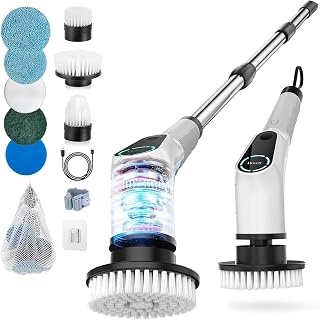
Dovety Electric Spin Scrubber, Extendable Handle
Check PriceThe spinning action replaces the manual scrubbing you would normally do with a sponge or handheld brush. Because the machine spins faster and more consistently than your hand, it removes stuck-on grime, hard water deposits, and soap buildup with noticeably less fatigue. Many cordless electric scrubbers run on rechargeable batteries, making them portable and easy to maneuver around large bathrooms or kitchens.
These scrubbers do not generate heat. They rely solely on mechanical agitation combined with your chosen cleaner. That makes them safe for almost any surface that can handle a brush, including sealed natural stone, ceramic tile, fiberglass, and even chrome fixtures, as long as you match the brush stiffness to the surface.
How Steam Cleaners Work
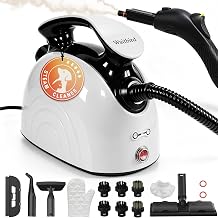
Waitbird 4.5 Bar 300°F Steam Cleaner for Bathroom, Kitchen, Floor & Grout
Check PriceSteam cleaners use electricity to heat water inside a sealed boiler until it turns into hot, pressurized vapor. That steam exits through a nozzle, often with a microfiber cloth or brush attachment, and loosens dirt, grease, and bacteria on contact. The high temperature (typically above 200°F) helps dissolve sticky residues and sanitizes surfaces without any chemical agents.
You simply fill the tank with tap or distilled water, wait for the steam to build, and then pass the head over the soiled area. The steam breaks the bond between dirt and the surface, while the cloth or brush wipes it away. Because you use only water, steam cleaning is a favorite among people who want to avoid harsh chemicals or who have allergies and sensitivities.
However, steam cleaners are not scrubbers. The vapor helps lift grime, but if you are dealing with thick, caked-on grout stains or years of hard water rings, you might still need to scrub. Many handheld steam cleaners include small brushes that let you agitate while steaming, but the primary cleaning action is thermal and moisture-based, not mechanical.
Key Differences Between Electric Scrubbers and Steam Cleaners
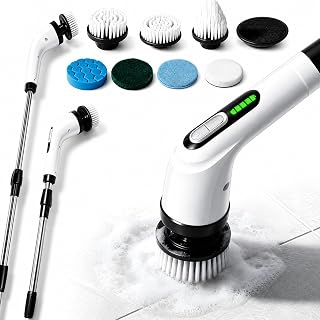
Highyes Electric Spin Scrubber for Bathroom
Check Price- Cleaning action: Scrubbers use spinning mechanical force. Steamers use heat and moisture.
- Chemicals: Scrubbers almost always require a cleaning solution. Steamers sanitize with water only.
- Drying time: Scrubbers leave a damp surface you need to dry. Steamers can leave floors and walls slightly wet but evaporate faster due to heat.
- Sanitization: Steam kills most common germs, dust mites, and mold spores. Scrubbers remove them physically but do not sanitize on their own.
- Surface compatibility: Scrubbers work on nearly any hard surface with the right brush. Steam can damage unsealed wood, some laminates, and delicate surfaces.
- Grout and narrow spaces: Detail scrubber brushes can grind deep into grout lines. Steam can reach inside porous grout but often requires a follow-up scrub.
Pros and Cons of Electric Scrubbers
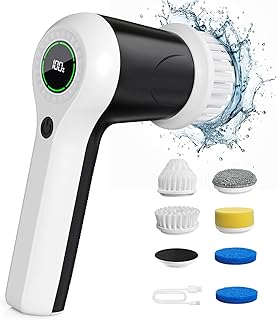
PUFTEM Electric Spin Scrubber, Cordless Shower Scrubber
Check PricePros
- Outstanding scrubbing power for heavy buildup, soap scum, and hard water stains.
- Rechargeable, cordless designs offer excellent reach in large showers or tubs.
- Multiple brush heads handle everything from broad tiles to tight corners.
- Works with any cleaner you prefer, such as vinegar-based solutions or specialty bathroom sprays.
- Much less physical strain compared to manual scrubbing.
Cons
- Requires cleaning chemicals, which may irritate sensitive skin or lungs.
- No sanitizing heat; you only get sanitization from the solution you use.
- Brushes wear down over time and need replacement.
- Can splatter cleaning product if not managed carefully.
- Battery life may limit very large cleaning sessions.
If you often face thick grime, a top-rated spin scrubber can transform a dreaded chore into a quick, almost enjoyable task.
Pros and Cons of Steam Cleaners
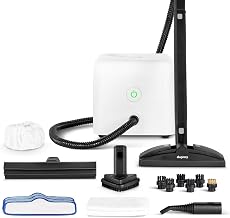
Dupray Neat Steam Cleaner for Home – Essential Pack
Check PricePros
- Chemical-free cleaning that deeply sanitizes surfaces.
- Excellent for killing mold, bacteria, and dust mites on contact.
- Effectively cuts through grease on stovetops, range hoods, and oven doors.
- Leaves no sticky residue, just evaporated water.
- Many models include attachments for windows, upholstery, and clothing.
Cons
- Stubborn, crusty deposits often demand manual scrubbing before or during steam use.
- Initial heat-up time can take 2 to 5 minutes or longer for large tanks.
- Not safe for all surfaces: unsealed stone, waxed floors, and delicate wood can warp or discolor.
- Water tanks must be refilled during deep cleaning sessions.
- Some units can be heavy when full, making overhead cleaning harder on the arms.
For homeowners who prioritize allergy-friendly, eco-conscious cleaning, a high-quality bathroom steam cleaner can replace a cabinet full of spray bottles.
When to Use an Electric Scrubber vs a Steamer
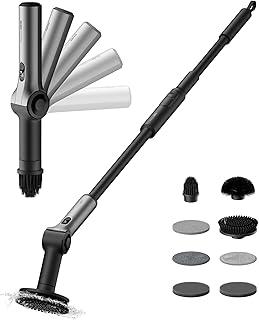
HOTO Flexi Cordless Electric Spin Scrubber
Check PriceThe decision really comes down to the type of dirt and the surface you are cleaning. Neither tool is universally better; each shines in different situations. Knowing when to reach for one over the other saves time and avoids accidental damage.
Choose an Electric Scrubber When
- You have thick soap scum or hard water scale on tile, glass doors, or shower floors.
- Grout lines are dark with embedded dirt that needs physical agitation to lift out.
- You are cleaning textured surfaces where a steam nozzle might skip over the grooves.
- You want to use a favorite scented or disinfecting cleaner to leave a fresh smell.
- Fatigue is a concern, and you need a lightweight tool that does the heavy pressing for you.
Choose a Steam Cleaner When
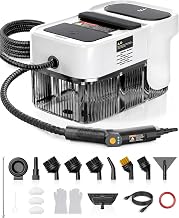
GEVOLCM Steam Cleaner, 3 Level Adjustable Handle with 18 Accessories
Check Price- You need to sanitize surfaces without chemicals, especially around kids or allergy sufferers.
- Greasy buildup on kitchen backsplashes, stovetops, or extractor fans is your main target.
- You want to refresh grout and kill mold spores deep within the porous material.
- You dislike the residue or smell of commercial cleaners and want only water and heat.
- The surface is smooth and sealed, like ceramic tile or sealed granite, where steam will not cause harm.
Can You Combine Both Tools?
Many cleaning professionals use a two-step process: steam first to loosen dirt and kill germs, then scrub to wipe away the residue. This hybrid approach can yield spectacular results on neglected tile and grout. You might apply steam to open up the pores of the grout, then immediately follow with an electric scrubber and a mild alkaline cleaner to lift the grime. The heat makes the mechanical scrubbing far more effective and reduces the amount of chemical you need.
Some homeowners start with a scrubber on a weekly basis and bring out the steamer once a month for a deep sanitization pass. If your budget and storage space allow, owning both tools gives you the flexibility to handle any mess appropriately. Compact handheld steamers and cordless scrubbers take up surprisingly little room.
Real-World Scenarios and Recommendations
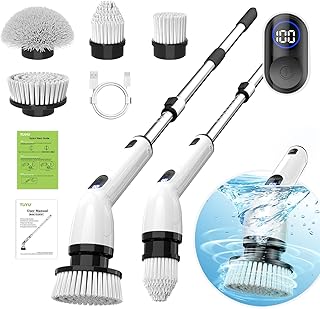
TUYU Electric Spin Scrubber, Cordless Cleaning Brush
Check PriceLet’s walk through a few common problems so you can see the choice in action. Suppose your glass shower door looks cloudy with white mineral deposits. An electric scrubber fitted with a flat brush and a dedicated hard water remover will make quick work of it. A steam cleaner alone would melt the light film but might not fully erase heavy scale without a cloth and elbow grease.
Now consider a bathroom floor with wide grout lines that have turned dark over time. A steam cleaner can blast hot vapor deep into the grout, loosening embedded dirt. Afterward, a scrubber with a narrow conical brush can scrub the softened muck right out. If you only use steam, you might still see stubborn stains. If you only use a scrubber, you miss the sanitizing benefit deep in the grout pores.
For greasy kitchen buildup, steam is almost magical. A steam cleaner cuts through cooking oil on the range hood, backsplash, and oven door without harsh degreasers. You simply wipe away the melted grease. An electric scrubber can also do the job but needs a strong degreaser and more effort to reach into crevices.
Safety and Maintenance Tips
Whichever tool you pick, safety and proper care keep it performing well for years. Always test a hidden spot on delicate surfaces before full application. With scrubbers, start with the softest brush then move to stiffer bristles only if needed. With steam cleaners, never direct steam at yourself or pets, and wear gloves to protect from accidental bursts.
After each use, rinse scrubber heads and let them air dry to prevent bacteria growth. Descale your steam cleaner’s boiler every few months according to the manufacturer’s instructions, especially if you have hard water. Following trusted cleaning guidelines from organizations like the American Cleaning Institute can also help you choose the right cleaning agents and methods for different surfaces.
Cost and Value Considerations
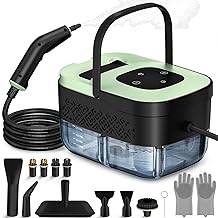
Steam Cleaner, Portable Steamer for Cleaning with 16pcs Accessories
Check PriceGood quality electric scrubbers range from $30 to $80, with premium models offering longer battery life and a wider range of attachments. Handheld steam cleaners start around $40 and can go up to $150 for versatile canister types that handle floors as well as detail work. When you compare an electric scrubber vs steamer on value, consider how many bottles of chemical cleaner a steam machine can replace. In some households, the steamer pays for itself in a year by eliminating specialty sprays. The scrubber’s value lies in saved time and reduced physical strain.
If you clean multiple bathrooms weekly or run a short-term rental, a scrubber probably gives you the fastest turnaround. If allergies, asthma, or chemical sensitivities run in your family, a steamer offers a health advantage that extends beyond just cleanliness.
Frequently Asked Questions
Does a steam cleaner remove hard water stains?
Steam can help loosen fresh hard water spots, but older, thick calcium deposits usually need a mild acid-based cleaner and physical agitation. You can use steam to pre-soften the scale, then scrub with an electric scrubber for complete removal.
Can I use an electric scrubber on acrylic tubs?
Yes, as long as you choose a soft or non-scratch brush head. Acrylic can scratch easily, so avoid stiff bristles. Always test in an inconspicuous spot and use gentle cleaners.
Are steam cleaners safe for grout?
Generally, yes, for sealed grout. The heat kills mold and bacteria inside the porous grout. However, if grout is very old or crumbling, high-pressure steam might worsen cracks. Check the grout condition first and seal it regularly to protect it.
Which tool is better for elderly users or those with joint pain?
An electric scrubber reduces repetitive motion and heavy pressing, making it very friendly for arthritic hands. Steam cleaners can be heavy once filled with water, although lightweight handheld models exist. An extendable scrubber often eases bathtub and floor cleaning without bending.
Can I put cleaning solutions in a steam cleaner?
Most manufacturers strictly warn against adding anything but water to the boiler. Chemicals can damage the machine, create toxic fumes, or void the warranty. If you want scent, look for models that allow fragrance discs in the nozzle area, not in the tank.
Conclusion
The choice between an electric scrubber vs steamer really depends on your biggest cleaning headaches. If heavy soap scum, hard water scale, and caked-on grout drive you crazy, a powerful spin scrubber will save your arms and erase buildup fast when paired with the right cleaner. If you crave chemical-free sanitation and need to melt grease or kill mold without scrubbing endlessly, a steam cleaner will become your new best friend.
Think about your home’s surfaces, your family’s health needs, and how much time you want to spend cleaning. Many people eventually own both tools because they complement each other so well. Start with the one that aligns most with your toughest task, and you will likely wonder how you ever cleaned without it.