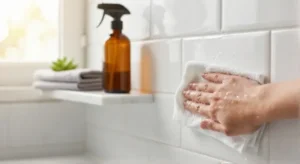
Nothing ruins the look of a fresh bathroom faster than dull, grimy wall tiles. Splashes of soap scum, water spots, and mildew build up over time, making even the nicest ceramic or porcelain look tired. Learning how to clean bathroom wall tiles correctly will not only restore shine but also prolong the life of your tiles and grout. Whether you are dealing with stubborn hard water marks in the shower or a cloudy film around the tub, a consistent cleaning routine makes all the difference. You do not need harsh chemicals to get professional results, just the right techniques and a little patience.
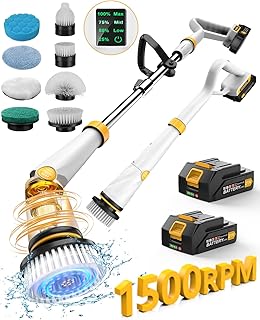
Qimedo Electric Spin Scrubber Q2, 4000mAh Battery, 1500RPM High Power
Check PriceWhy Cleaning Bathroom Wall Tiles Matters
Bathroom tiles are designed to withstand moisture, but they are not self-cleaning. Soap residue, body oils, and minerals from hard water create layers of sticky film that trap dust and bacteria. Ignoring this buildup can lead to discolored grout, chipped glaze, and even mold growth behind the tile surface.
Regular cleaning protects the waterproof barrier of your shower enclosure and prevents porous grout from absorbing moisture and staining permanently. It also improves indoor air quality by eliminating mold spores that thrive in damp environments. A well-maintained tile wall also elevates the entire bathroom aesthetic, making the space feel spa-like and hygienic.
Essential Tools and Supplies for Cleaning Wall Tiles
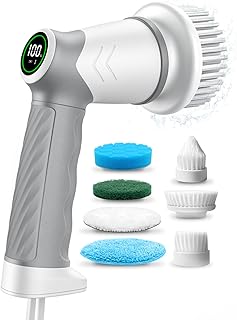
DAESUNG Electric Spin Scrubber, Cordless Power Scrubber & Electric Cleaning Brush
Check PriceBefore you begin, gather the right equipment. Using improper tools can scratch the tile surface or force dirt deeper into the grout lines. You want a combination of gentle abrasives, effective chemical solutions, and microfiber cloths that trap residue without leaving lint.
- Microfiber cloths or a soft sponge
- A grout brush or an old toothbrush
- Spray bottle for homemade solutions
- A squeegee to remove excess water
- A non-abrasive scrub pad or a drill-powered spin scrubber
- A bucket of warm water
Natural Cleaning Solutions
For weekly maintenance, natural ingredients work surprisingly well. White distilled vinegar cuts through soap scum, and baking soda provides gentle scrubbing power without scratching porcelain or ceramic. Mix equal parts white vinegar and warm water in a spray bottle, and you have an effective everyday cleaner. Just be cautious with natural stone tiles like marble or travertine, as the acid in vinegar can etch and dull the finish.
For a paste-based treatment, combine baking soda with a little water until it form a thick spreadable consistency. This paste is excellent for spot-cleaning greasy residue around vanities. Lemon juice can also dissolve hard water spots, but similarly, avoid it on acid-sensitive stone surfaces. Many homeowners successfully alternate between these natural solutions and commercial products for deeper cleans.
Commercial Cleaners and Scrubbing Tools
Sometimes natural options are not enough for deeply embedded grime. When you need extra strength, look for pH-neutral bathroom tile cleaners formulated for your specific tile type. A high-quality product will lift mineral deposits and soap scum without leaving a sticky residue. When selecting a safe bathroom tile cleaner, check the label for ingredients like hydrogen peroxide or oxygen bleach, which are effective yet gentle on colored grout.
To speed up the scrubbing process, consider mechanized tools. An electric spin scrubber with interchangeable brush heads can cut cleaning time in half while providing consistent pressure. A spin scrubber tile cleaning hack involves using a soft bristle brush attachment to polish large tile surfaces without exhausting your arms. These tools reach corners and textured tiles far better than a manual sponge.
Step-by-Step Guide: How to Clean Bathroom Wall Tiles
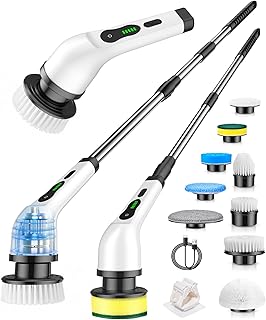
Lichffy Cordless Electric Spin Scrubber, 9 Brush Heads
Check PriceThis process works for most glazed ceramic, porcelain, and glass tile walls. The key is to let the cleaning solution do the heavy lifting, so you do not need aggressive scrubbing that could scratch the finish. Follow these six steps for sparkling results.
1. Dust and Dry Wipe the Tiles
Start by removing loose dust, hair, and surface debris from the tile walls. Use a dry microfiber cloth or a vacuum with a soft brush attachment. This step prevents dirt from turning into muddy streaks when you apply wet cleaners. Pay special attention to corners and the top edge of the tiles where dust often settles. Even in a steamy bathroom, fine particles accumulate and can scratch the surface if wiped while dry.
2. Apply Your Chosen Cleaning Solution
Generously spray or sponge your cleaner onto the wall tiles, working from the bottom up to avoid streaks. Using a bottom-to-top method prevents the solution from running down and leaving permanent drip marks on dry surfaces. If you are using a vinegar and water mix, let the tiles become visibly wet for even coverage. For stubborn spots, apply the baking soda paste directly to the affected area and spread it with a damp cloth.
3. Let the Cleaner Soak and Break Down Grime
Allow the solution to dwell on the tiles for 5 to 10 minutes. This dwell time softens soap scum and dissolves mineral bonds, meaning less elbow grease later. While you wait, you can clean the showerhead, faucet, or toilet base to multitask. If the bathroom is poorly ventilated, crack a window or turn on the exhaust fan to disperse fumes from chemical cleaners.
4. Scrub with the Right Technique
Now, gently agitate the surface with a soft sponge or a damp microfiber cloth. Use small circular motions to lift residue from the tile texture. Avoid steel wool or harsh scrub pads that can leave micro scratches where future grime will lodge. For grout lines, use a dedicated grout brush with nylon bristles, scrubbing along the line rather than across it to prevent eroding the grout.
If you have a large shower enclosure, using an electric spin scrubber with a flat brush head dramatically reduces fatigue. The consistent rotation mimics hand scrubbing but much faster. This is especially useful for textured or matte-finish tiles that trap more dirt.
5. Rinse Thoroughly with Warm Water
Rinsing is the most often skipped, critical step in learning how to clean bathroom wall tiles properly. Leftover cleaner residue can create a sticky film that attracts new dirt within days. Use a cup, a detachable showerhead, or a clean wet cloth to rinse from top to bottom. Keep rinsing until the water runs clear and the tile surface no longer feels slippery or soapy.
6. Dry and Buff for a Streak-Free Finish
Immediately after rinsing, dry the tiles with a clean, dry microfiber cloth. Buffing the surface not only eliminates water spots but also creates a brilliant shine. If hard water stains are a recurring issue in your home, this step is non-negotiable. You can also use a squeegee to remove large amounts of water first, then polish with the cloth.
Deep Cleaning Grout Between Wall Tiles
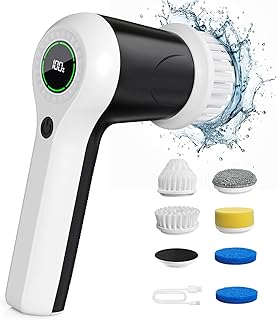
PUFTEM Electric Spin Scrubber, Cordless Shower Scrubber
Check PriceClean tiles lose their impact if the grout between them is gray or moldy. Grout is porous and absorbs soap, shampoo, and mildew spores, so it requires targeted attention every few weeks. For a homemade grout cleaner, make a paste of baking soda and hydrogen peroxide. Apply it along the lines, let it sit for 15 minutes, then scrub with a narrow brush.
For heavily stained grout, oxygen bleach powder mixed with warm water is safe for colored grout and powerful against deep-set discoloration. Avoid chlorine bleach on colored grout, as it can cause fading and weaken the grout structure over time. Experts from cleaning grout effectively recommend sealing grout after a deep clean to create a protective barrier. A penetrating grout sealer repels moisture and makes future cleanings much easier, reducing the frequency of intensive scrubbing.
How to Prevent Bathroom Wall Tiles from Getting Dirty
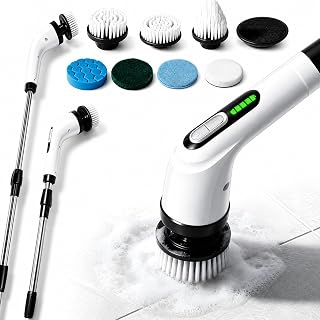
Highyes Electric Spin Scrubber for Bathroom
Check PricePrevention is always easier than cure. Developing a few simple habits will keep your tiles looking cleaner for longer and reduce the need for heavy-duty cleaning sessions. Moisture control and daily wipe-downs are your best defense against buildup.
- Use a squeegee on shower walls after every use to remove standing water.
- Keep the bathroom fan running for 20 minutes after showers to lower humidity.
- Wipe up soap spills and puddles as soon as they happen.
- Apply a tile and grout sealer annually to ceramic and porcelain surfaces.
- Switch to liquid body wash instead of bar soap, which often leaves more soap scum.
Small adjustments, like placing a bath mat in high-splash zones, can also minimize water contact with vertical tiles outside the shower. By keeping surfaces dry, you starve mold and mildew of the moisture they need to grow.
Frequently Asked Questions

YKYI Electric Spin Scrubber, Cordless Power Cleaning Brush with Long Handle
Check PriceWhat is the best homemade cleaner for bathroom wall tiles?
A mixture of equal parts white vinegar and warm water with a few drops of dish soap works wonders. The vinegar dissolves hard water deposits and cuts through light soap scum, while the dish soap lifts oily residue. For an abrasive paste, baking soda and water are effective and tile-safe.
How often should I clean bathroom wall tiles?
It depends on usage. Shower walls should be wiped down with a squeegee daily and given a light cleaning once a week. A full deep clean with scrubbing and grout attention can be done once a month. Behind the sink or vanity, tiles usually need cleaning every two weeks.
Can I use vinegar on all types of bathroom tiles?
No. Vinegar is acidic and safe on glazed ceramic and porcelain, but it will etch and damage natural stone tiles like marble, limestone, or travertine. For stone tiles, use a pH-neutral stone cleaner instead. Always test any cleaner on a small hidden area first.
How do I remove mold from shower wall tiles?
Mix one part hydrogen peroxide with two parts water in a spray bottle. Spray the moldy area, let it sit for 10 minutes, then scrub with a grout brush. Hydrogen peroxide kills mold spores safely without harsh fumes. For persistent mold, a mild borax solution can also be effective, but ensure proper ventilation.
Is a steam cleaner safe for wall tiles?
Yes, a steam cleaner is generally safe for sealed ceramic and porcelain tiles. The high temperature loosens grime and kills bacteria without chemicals. However, avoid prolonged steam directly on grout lines which can soften them over time, and never use steam on unsealed stone or cracked tiles where moisture could seep behind the wall.
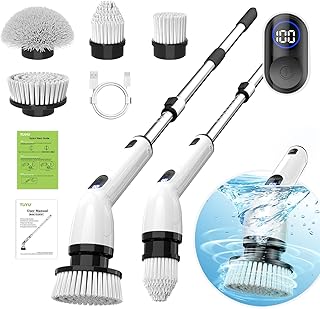
TUYU Electric Spin Scrubber, Cordless Cleaning Brush for Bathroom,Home
Check PriceConclusion
Mastering how to clean bathroom wall tiles transforms your bathroom from dull to dazzling without aggressive chemical burns or backbreaking labor. The combination of a proper pre-wipe, adequate dwell time for your cleaner, and a thorough rinse makes all the difference. Pair these steps with consistent daily habits, and heavy-duty deep cleaning sessions become rare events. You now have the tools, solutions, and expert techniques to keep your tile walls spotless, hygienic, and long-lasting.