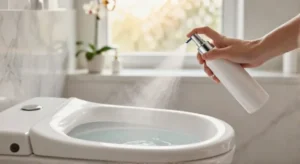
No one likes staring at a toilet bowl marked by ugly brown or white rings. Hard water stains, also called limescale, form when mineral-rich water evaporates and leaves deposits behind. You can prevent hard water stains in toilet bowls with simple daily habits, the right cleaning routine, and a few smart upgrades. This guide gives you clear, actionable steps to stop those stubborn marks before they even appear.
Understanding Hard Water Stains
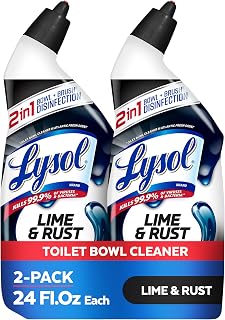
Lysol Lime & Rust Toilet Bowl Cleaner
Check PriceHard water contains dissolved minerals, mostly calcium and magnesium. When water sits in the toilet bowl and slowly evaporates, these minerals stay behind. Over time, they build up into a crusty, off-white or rust-colored ring at the waterline. The rougher the texture, the easier it is for new deposits to grab on.
If you have well water or live in an area with high mineral content, you probably see stains faster. Even city water can leave a mark. Understanding the root cause helps you choose the right prevention method instead of just scrubbing harder. A quick chemistry check from the Water Quality Association’s guide on hard water can tell you exactly what you are dealing with.
The Science Behind the Stain
Calcium carbonate is the main culprit. It precipitates out of water as it warms or evaporates. In a toilet, the constant cycle of flushing and refilling means fresh hard water is always present. As the surface dries between uses, a thin layer of mineral scale forms. Once that layer hardens, it becomes a magnet for bacteria and grime.
Iron and manganese can add reddish-brown tones. Even a small amount of these metals creates an ugly stain that traditional bleach cannot remove. Prevention stops the minerals from crystallizing in the first place. That is why daily maintenance beats a deep clean every time.
Why Prevention Matters
Scrubbing tough limescale with abrasive tools can scratch the porcelain. Tiny scratches give minerals even more space to hide. Keeping the bowl smooth and protected saves time, money, and frustration. Prevention also reduces the need for harsh chemical cleaners, which is better for your septic system and your lungs.
Daily Habits to Prevent Hard Water Stains in Toilet
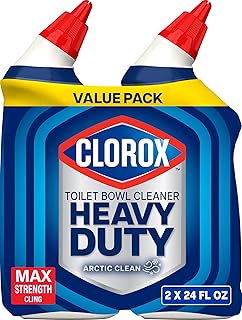
Clorox Heavy-Duty Gel Arctic Clean
Check PriceSmall changes in your daily routine make a huge difference. You do not need to spend hours scrubbing. A few seconds after each use can keep rings away permanently.
Flush With the Lid Closed
Closing the lid before flushing prevents a fine mist of mineral-rich water from spraying onto the rim and seat. That mist dries quickly and leaves invisible mineral specks that darken over time. A closed lid also helps keep the bowl water from evaporating as fast.
Give the Bowl a Quick Swipe
Keep a dedicated toilet brush or a silicone wand near the toilet. After the morning flush, quickly run the brush around the waterline. This simple action disrupts the mineral film before it can harden. It takes five seconds and saves you from a major scrub session later.
Wipe Down the Bowl Surface
If you notice water droplets above the waterline after flushing, wipe them with a dry paper towel. Moisture sitting on the porcelain accelerates evaporation and stain formation. Dry surfaces equal no new deposits.
Use a Toilet Bowl Protectant Spray
Many auto-detailing ceramic coatings are safe for toilets. A food-grade ceramic spray applied once a month creates a hydrophobic barrier. Water beads up and slides back into the bowl, carrying minerals with it. This is one of the most effective modern tricks to prevent hard water stains in toilet bowls.
Weekly Cleaning Routine to Stop Buildup
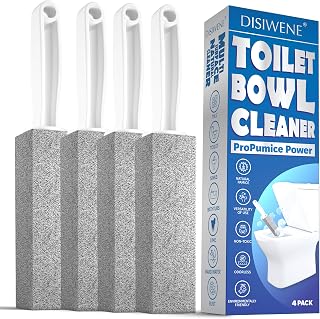
DISIWENE Pumice Cleaning Stone with Handle
Check PriceA consistent weekly routine catches any minerals that sneak past your daily habits. You can use natural ingredients or store-bought products. The goal is to dissolve the invisible scale before it becomes a visible ring.
The White Vinegar Soak
Pour about two cups of plain white vinegar directly into the bowl. Let it sit for at least one hour, or overnight for better results. The mild acetic acid dissolves calcium carbonate on contact. After soaking, scrub lightly and flush. Repeat every week to keep the waterline spotless.
Baking Soda Scrub
Sprinkle a generous amount of baking soda onto a damp toilet brush. Scrub the entire bowl, focusing on the ring area. The gentle abrasion polishes the surface without scratching. Baking soda also neutralizes odors and leaves the toilet fresh.
Citric Acid Rinse
Food-grade citric acid is a powerhouse against limescale. Mix one tablespoon of powder with a cup of warm water, pour it in, and let it sit for 15 minutes. Then scrub and flush. Citric acid is stronger than vinegar and leaves no lingering smell. Use gloves and avoid mixing with bleach.
Preventative Toilet Bowl Tablets
Drop-in tablets that contain mild acids or sequestering agents help keep minerals suspended in the water. Choose tablets specifically labeled as safe for toilet internals and septic systems. Avoid bleach-heavy tablets that degrade rubber seals. For more cleaning product guidance, see our toilet maintenance resource.
Long-Term Solutions for Hard Water Problems
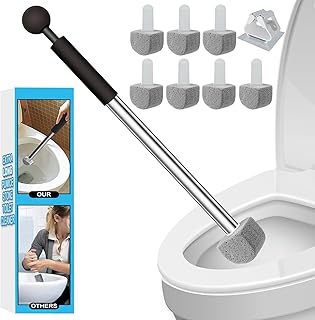
YINGMORE Pumice Stone Toilet Bowl Cleaner
Check PriceIf you are tired of daily and weekly maintenance, consider fixing the water itself. These upgrades attack hard water at the source and protect all your plumbing, not just the toilet.
Install a Whole-House Water Softener
A traditional salt-based water softener replaces calcium and magnesium ions with sodium or potassium ions. Soft water leaves zero mineral deposits. Your toilet, shower heads, and dishwasher will all stay clean longer. This is the gold standard for preventing hard water stains everywhere in your home.
Use a Point-of-Use Scale Inhibitor
If a whole-house system feels too expensive, install a small cartridge filter with a scale inhibitor on the toilet’s water supply line. These cartridges use polyphosphate or template-assisted crystallization to keep minerals dissolved. They are affordable, easy to replace, and protect only the fixture you choose.
Upgrade Your Toilet’s Glaze
Modern toilets often feature a super-smooth, antimicrobial glaze. CEFIONTECT and similar technologies create a surface so slick that minerals cannot grip. If you are replacing an old toilet, look for one with a stain-resistant coating. The upfront cost pays off in reduced cleaning time.
Check and Adjust Your Tank Components
A leaking flapper causes a constant trickle of water into the bowl. That trickle means fresh hard water is always moving through, speeding up evaporation and mineral deposition. Replace worn parts annually. A well-tuned toilet stays cleaner and uses less water. Browse our plumbing solutions for hard water to learn more about fixture maintenance.
Natural Preventative Solutions You Can Make at Home
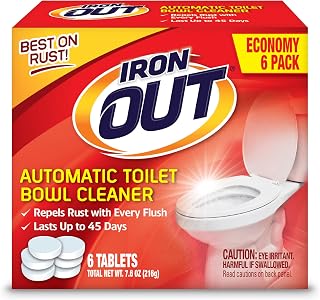
Iron OUT Rust Stain Remover Automatic Tablets
Check PriceDIY cleaners are effective, cheap, and free of harsh chemicals. They also double as preventative treatments that keep the bowl slick.
Lemon Juice and Borax Paste
Mix lemon juice with borax to form a thick paste. Apply it above the waterline once a week and let it sit for 20 minutes before scrubbing. The citric acid and mild bleach alternative work together to dissolve scale and prevent new buildup. Rinse well after.
Essential Oil Toilet Fizzies
Combine baking soda, citric acid, and a few drops of tea tree or lemon essential oil. Press the mixture into silicone molds and let them dry. Drop one fizzy into the toilet bowl before bed. As it dissolves, the gentle acids coat the surface and keep minerals from settling overnight.
Vinegar Ice Cubes
Freeze white vinegar in an ice cube tray. Once a week, drop a couple of cubes into the bowl. The slow melt delivers a steady stream of acid exactly where stains form. It is a lazy, effective trick for busy households.
Common Mistakes That Make Stains Worse
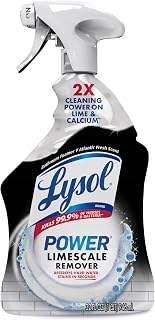
Lysol Power Limescale Remover Spray
Check Price- Using bleach alone. Bleach does not dissolve mineral scale. It whitens the stain temporarily, but the rough limescale underneath still traps dirt.
- Scrubbing with pumice stones daily. A pumice stone is for occasional deep cleaning. Frequent use scratches the glaze, inviting more stains.
- Ignoring the tank. Mineral buildup inside the tank feeds into the bowl with every flush. Clean the tank regularly with vinegar to stop the source.
- Mixing chemicals. Never combine bleach with vinegar or acids. This creates dangerous chlorine gas. Stick to one product at a time and rinse thoroughly.
- Letting water sit unused. A guest bathroom toilet that goes unused for days allows water to evaporate completely, leaving a thick crust. Flush it at least every other day.
Frequently Asked Questions About Preventing Hard Water Stains
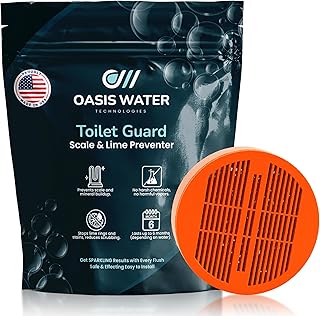
Toilet Guard Drop-In Tank Tablet
Check PriceHow can I remove existing hard water stains before starting prevention?
Empty the bowl as much as possible, then soak the stains with undiluted white vinegar or a commercial limescale remover. Let it sit for several hours, scrub with a non-scratch pad, and flush. Once the stains are gone, begin your prevention routine immediately to stop them from returning.
Do magnetic water conditioners really prevent toilet stains?
Scientific evidence is mixed. Some users report less scaling, but most independent studies show minimal effect on calcium carbonate formation. A proven ion-exchange softener or scale inhibitor cartridge is a more reliable investment.
Will a water softener damage my toilet?
No, soft water is safe for all standard toilet materials. It may slightly increase the slippery feel in showers, but it protects rubber seals and prevents scale buildup. Just monitor the salt levels and clean the brine tank as recommended.
Can I use CLR or Lime-Away for prevention?
Those products are designed for removal, not daily prevention. They are highly acidic and can damage toilet components with overuse. Stick to mild acids like vinegar or citric acid for maintenance, and reserve heavy-duty removers for periodic deep cleans.
How often should I clean the toilet tank to prevent stains?
Inspect the tank every three months. If you see white flakes or a gritty sediment, turn off the water, flush to empty, and pour a gallon of vinegar into the tank. Let it sit for two hours, then flush it through. This stops mineral debris from entering the bowl.
Keep Your Toilet Stain-Free for Good
Preventing hard water stains in your toilet is not about one magic product. It relies on daily awareness, a weekly acid-based clean, and the right tools. Start with a dry wipe after flushes, adopt a vinegar soak every weekend, and consider a scale inhibitor for a set-it-and-forget-it solution. Pair those habits with a high-quality toilet glaze, and you will own a bowl that looks new for years.
Treat your toilet like any other hardworking appliance. A few minutes each week save you from back-breaking scrubbing. With the strategies shared here, you can finally stop playing catch-up with mineral rings and just enjoy a fresh, clean bathroom every single day.